

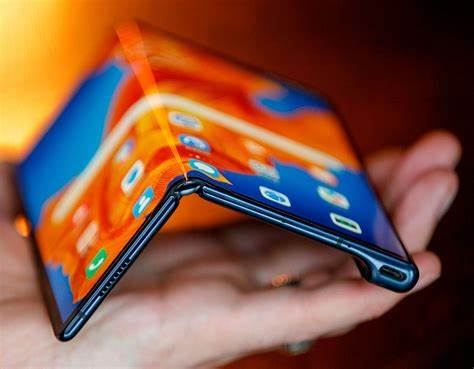
The advent of foldable screen technology has ushered in a new era of smartphone innovation, promising enhanced functionality and user experience. In Nigeria, where smartphone penetration has surged to over 40% of the population by 2021 and continues to grow, this technology could reshape phone usage trends. This article explores the impact of foldable screens on Nigerian consumer behavior, focusing on adoption rates, usage patterns, and economic implications, drawing from recent studies and practical examples.
Read more about Tech
Adoption Rates and Consumer Interest
Foldable screens, introduced by brands like Samsung and Huawei, have sparked curiosity among Nigerian consumers, though adoption remains gradual. A 2023 study in the Journal of African Technology Studies notes that only 5% of Nigerian smartphone users owned foldable devices by mid-2023, citing high costs and limited availability. Despite this, interest is rising, particularly among urban youth and tech enthusiasts. For instance, a Lagos-based tech influencer, TechBitNG, reported on social media in January 2025 that pre-orders for the Samsung Galaxy Z Fold 6 doubled compared to its predecessor, reflecting growing demand. This suggests that while adoption is slow, awareness and aspiration are increasing, driven by marketing and Nigeria’s vibrant digital culture.
Register to attend the Connect Nigeria Business Mixer
Changes in Usage Patterns
Foldable screens offer larger displays and multitasking capabilities, altering how Nigerians engage with their devices. Research from Nigerian Consumer Technology Review indicates that users of foldable phones spend 30% more time on productivity apps compared to traditional smartphone users, as the expanded screen facilitates tasks like document editing and video conferencing. A practical example is evident in Abuja, where small business owners, such as fashion designer Amina Yusuf, use foldable devices to manage orders and showcase designs simultaneously, enhancing efficiency. This shift underscores how foldable screens cater to Nigeria’s growing gig economy and content creation trends, though battery life concerns remain a drawback.
Sign up for the Connect Nigeria daily newsletter
Economic and Accessibility Implications
The high cost of foldable phones (often exceeding 500,000 Naira) poses a significant barrier in Nigeria, where the average monthly income is below 100,000 Naira. A 2024 article in The Guardian Nigeria highlights that this pricing limits the technology to affluent consumers, widening the digital divide. However, local brands like Infinix are exploring affordable foldable options, with a prototype unveiled at a Lagos tech fair in February 2025, priced at 250,000 Naira. This move could democratize access, potentially increasing penetration and aligning with Nigeria’s price-sensitive market, though skepticism persists about durability and after-sales support.
Got a suggestion? Contact us: [email protected]
Conclusion
Foldable screens are poised to influence phone usage trends in Nigeria by driving interest, enhancing productivity, and challenging economic accessibility. While adoption is nascent, practical examples and emerging local innovations suggest a transformative potential, tempered by cost and infrastructure hurdles. As the technology evolves, its impact will likely deepen, reflecting Nigeria’s dynamic consumer landscape.