

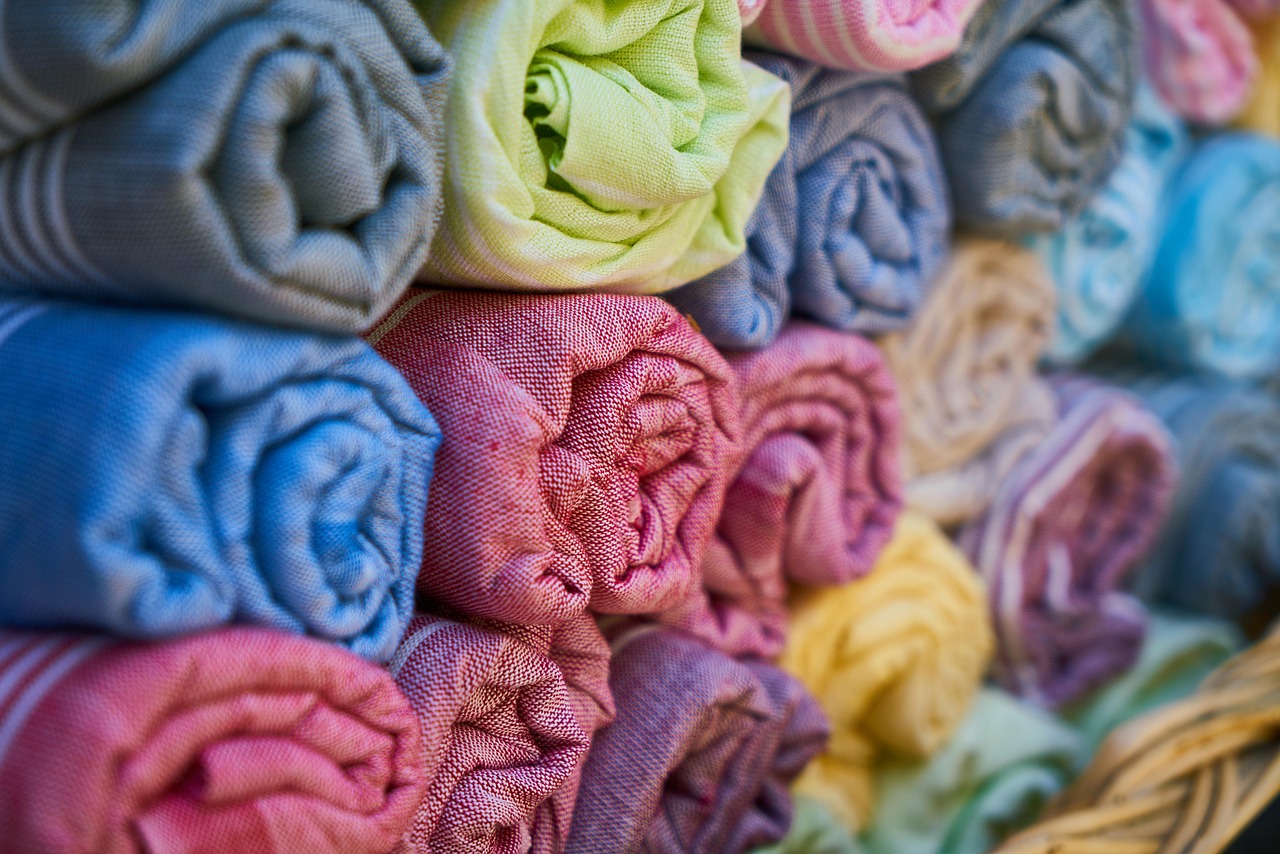
If you’d like to begin selling textiles, there’s a great variety of them you can choose from. Whether it’s Ankara fabrics to lace, brocade, or chiffon, textiles are in constant demand across the country. So, if you’ve been asking, “How do I start my own textile business?” or “How profitable is a textile business in Nigeria?” — this guide is for you.
Read more about Business
In this article, we’ll show you how to start a textile business in Nigeria: the costs involved, where to buy your stock, and how to succeed in this highly profitable sector.
Why Start a Textile Wholesale Business in Nigeria?
The textile industry in Nigeria is worth billions of naira annually. It, along with the rest of the industry for clothing and fabrics production, contributed $6.1 billion to Nigeria’s GDP in 2024.
The demand for fabrics seldom slows down, thanks to the weddings, birthdays, religious events, and cultural ceremonies taking place every week—all of which are attended by people dressed for the occasion.
Key reasons to consider this business:
- High demand year-round
- Opportunity to scale (retail, online, distribution)
- Flexible customer base: fashion designers, retailers, event planners, individuals
- High profit margins if properly managed
How Profitable is the Textile Business in Nigeria?
If run correctly, the textile business can yield high returns. Wholesale profit margins range from 15% to 40%, depending on the fabric type and volume of sales. For example, Ankara fabrics bought in bulk from Aba, Lagos Island, or imported from China can be sold at double the wholesale price to retailers.
The key to profitability is buying low, selling high, and keeping operational costs minimal. Working with reliable suppliers and building up a loyal customer base are both crucial to succeeding in this business.
How to Start a Textile Business in Nigeria
Here’s a practical guide on how to start a textile wholesale business in Nigeria:
Conduct Market Research
Study the market before you go into it. Ask these questions:
What types of fabrics are in high demand? Who are your competitors? Where are the textile hubs (e.g., Lagos Island, Aba, or Onitsha)? Who will your customers be (tailors, fashion designers, or retailers)?
Get clear answers to these questions, so you’ll be able to choose your niche and develop a pricing strategy.
Choose Your Niche
Some common textile categories include: Ankara (African prints), Lace, Brocade, Cotton, Silk and chiffon. Others are fabric for school uniforms, and plain and patterned material.
We advise that you start with one or two categories, so it’s easier for you to understand the trade in a specific item and know what your customers need quickly enough.
Sign up for the Connect Nigeria daily newsletter
Create a Business Plan
Your business plan contains descriptions about what your business is, what it exists to do, and the expenses you’re likely to incur as you set up and begin to run the business:
Basically, your business plan should have estimates for startup capital, target market, location (physical or online), pricing strategy, supplier list, marketing strategy, and profit projections.
If your business plan is decent enough, it will increase your chances of getting loans or investor support if needed.
Register Your Business
In Nigeria, you can register your business name with the Corporate Affairs Commission (CAC). This step gives your business legitimacy and allows you to open a corporate bank account, apply for loans, and build trust with suppliers and customers.
Find Reliable Suppliers
You can buy textiles from any of these sources:
- Local textile markets – Balogun Market (Lagos), Ariaria (Aba), Main Market (Onitsha)
- Direct from manufacturers in Nigeria or abroad
- Import from China, India, or Turkey (requires understanding importation logistics)
Start small and test different suppliers for quality and reliability before scaling.
Choose a Good Location
If you’re starting small, you can operate from home or online. However, a physical store in a busy market or fashion district will attract more walk-in customers.
Good locations to set up this business include: Lagos Island, Aba, Onitsha, Kano, and Abuja.
If you can’t afford a physical shop, use Instagram, WhatsApp Business, and Facebook to sell your textiles.
Market Your Business
Most merchants who start a textile store have little to no online business presence. As a result, they limit their business’s reach and potential revenues. To get better results, we suggest that you use social media to post fabric pictures and customer reviews.
Other things you can do include offering discounts for bulk purchases, networking with fashion designers and boutique owners, attending trade fairs and exhibitions, and listing your business on online marketplaces (e.g., Jiji, Konga, Jumia).
Start Selling and Keep Records
When your business commences operations, you should begin to keep stock records, track profits and losses, monitor customer preferences, and reinvent your collection based on market trends.
You may also consider offering credit to trusted customers (e.g., fashion designers). But do what you can to avoid bad debts.
Register to attend the CN Business Mixer
Final Words: Is Textile Business a Good Idea?
If you’ve ever asked, “How do I start my own textile business?” this article will have answered your question. And if you’re wondering “how profitable is the textile business?” the answer is that it’s very profitable.
Just put in the work and build your customer base with deliberate steps. Over time, your textile wholesale business will grow into a multi-million naira enterprise.
Did you find this article useful? Contact us: [email protected]