

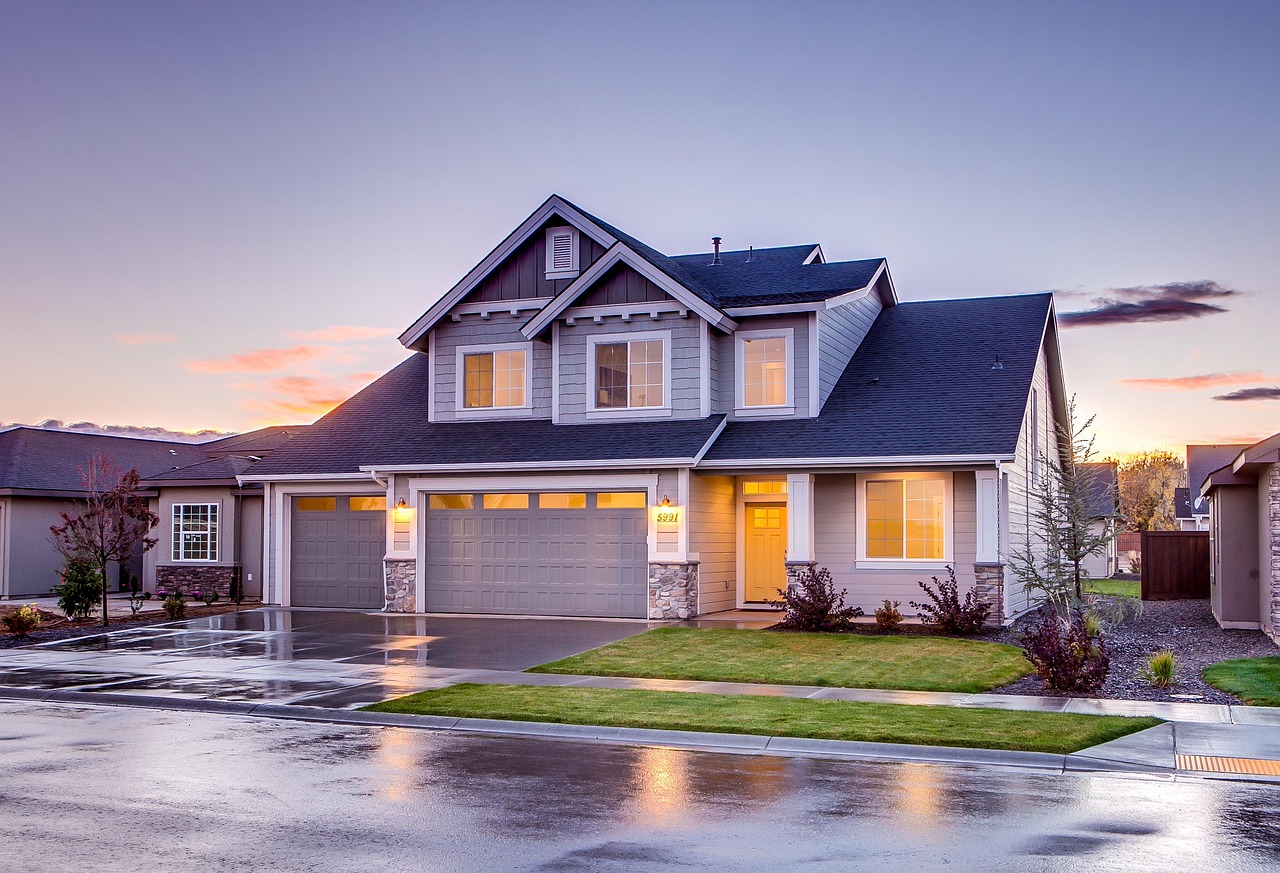
It’s now more expensive than ever to construct a home in Nigeria. The combined cost of land acquisition, moulding bricks, and putting up a decent structure amounts to tens of millions of naira. Yet, many Nigerians are still managing to do the seemingly impossible—building homes on a budget.
Read more about Real Estate
If you have ever asked questions like “What is the cheapest way to build a house in Nigeria?” or “How much does it cost to build a house in Nigeria?”, this article is for you. In it, we explain the practical approaches people use to build in today’s high-expense world.
Choosing Affordable Locations
One of the most effective ways of building homes on a budget is selecting the right location. Land in cities like Lagos, Abuja, and Port Harcourt is expensive, but emerging suburbs and surrounding towns offer much cheaper land.
Places such as Mowe, the outskirts of Ikorodu, Ibadan, Ilorin, and parts of Anambra have become popular choices for people trying to reduce costs. Many Nigerians buy land in these developing areas and begin slow, steady construction as their finances allow.
Building in Phases
A smart route to homeownership is building in stages. Instead of trying to fund the entire project at once, some people split their construction into phases such as foundation, block work, roofing, and finishing. This approach spreads the financial burden over several months or years and makes it easier to take advantage of periods when building materials are cheaper.
Opting for Simple Architectural Designs
A straightforward house design remains the cheapest way to build a house in Nigeria today. Simple bungalows with fewer corners, shorter wall lengths, and uncomplicated roof structures significantly reduce the quantity of materials needed. Modern minimalist designs, which avoid unnecessary rooms and decorative elements, help homeowners cut costs on blocks, steel, wood, windows, and doors without sacrificing comfort.
Using Cost-Effective Building Materials
Nigerians are also starting to use alternative materials that are both affordable and durable. Examples include blocks that require less cement, laterite blocks, bamboo, treated wood and stone-coated roofing sheets. Homeowners are combining widely accepted building materials and innovative additions and methods to reduce their total spending by as much as 30%.
Sign up for the Connect Nigeria daily newsletter
Buying Materials in Bulk
A common strategy among budget-conscious builders is purchasing materials in bulk. Because the prices of cement, roofing sheets, doors, tiles, and steel tend to rise throughout the year, buying in large quantities before major price increases helps people save money. Some homeowners join cooperatives that negotiate discounts with suppliers, making the process even more cost-effective.
Hiring the Right Professionals
Many people try to avoid spending money on professionals. However, hiring skilled architects, engineers, and supervisors often saves more money than it costs. Professionals estimate materials accurately and ensure that the structure is built correctly the first time. Their guidance also helps homeowners choose designs and materials that suit their budgets.
Using Labour-Saving Construction Methods
Faster and more efficient construction techniques are gaining popularity across Nigeria. Prefabricated structures, modular homes, and dry construction methods allow builders to complete projects more quickly and with fewer labour costs. These methods reduce reliance on large construction teams and help speed up the timeline, which ultimately lowers expenses.
Knowing How Much It Costs to Build a House in Nigeria Today
How much does it cost to build a house in Nigeria? The answer depends on the location, the type of building, and the materials used. For example, a simple two-bedroom bungalow in 2025 may require between ₦2 million and ₦3.5 million for the foundation; block work could cost ₦3 million – ₦4.5 million. Roofing might cost between ₦2 million and ₦4 million, while plumbing and electrical work could fall between ₦1.5 million and ₦5 million. Finishing often ranges from ₦4 million to ₦8 million. Excluding the cost of land, the total budget usually falls between ₦13 million and ₦25 million.
Should You Build on a Budget?
It’s up to you to decide whether you can build a home on a budget. If you decide that you can, you could follow the tips we’ve shared in this article to construct a nice abode for lower-than-average costs.
But if you prefer buying a home, you can check out the houses on sale at Connect Nigeria Real Estate. It lists numerous buildings of varying kinds, all of which are available for purchase or rent. You can view pictures of the homes, and contact sellers via the details provided on the site.
To visit Connect Nigeria Real Estate, click HERE.
Register to attend the CN Business Mixer
Final Words
Even with rising costs, building homes on a budget in Nigeria is certainly possible. You just need to plan right, use simple designs, and work with cost-effective materials. Do these things, and your dream home will be closer to becoming a reality.
Before starting, take time to study the cheapest way to build a house in Nigeria, and understand how much it costs to build a house in Nigeria. Then choose the strategies that fit your financial situation. This will help you save money as you work toward becoming a homeowner.
Got something you want to read about on our platform? Contact us: [email protected]