

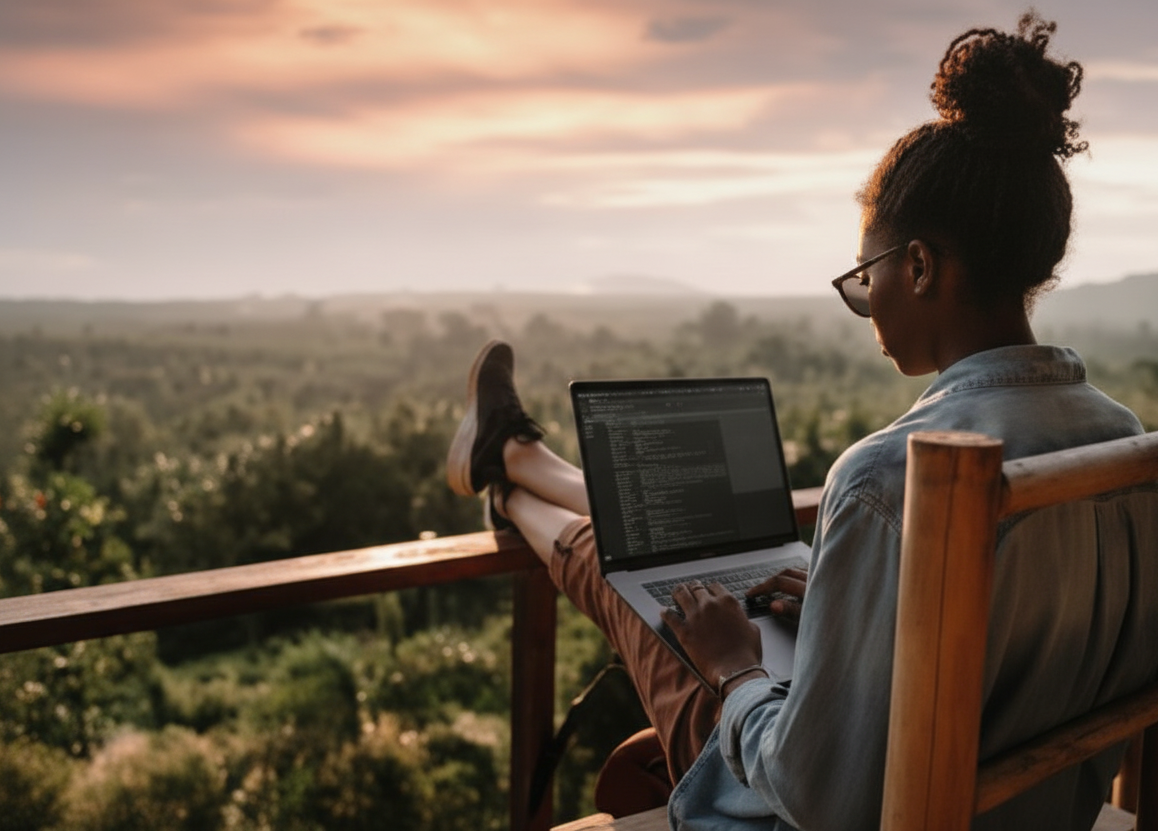
Imagine waking up to the sound of ocean waves in Bali, finishing a work report by noon, and then taking a walk through a local market before your next video meeting. This is not a dream—it’s the life of a digital nomad.
Read more about Travel
Over the past few years, this lifestyle has taken the world by storm. The rise of remote work, better internet access, and the desire for freedom have made it possible for people to work from anywhere. The digital nomad lifestyle is not just changing how people work—it’s reshaping how we see travel, community, and success.
Who Exactly Is a Digital Nomad?
A digital nomad is someone who uses technology to work remotely while travelling or living in different places. They can be writers, designers, marketers, developers, consultants, or even online teachers. Their office could be a café in Lagos, a beach hut in Zanzibar, or a co-working space in Lisbon.
For digital nomads, work is not tied to a physical office. All they need is a laptop, stable internet, and the discipline to manage their time.
How the Digital Nomad Lifestyle Is Changing Global Travel
1. Longer and Deeper Stays
Traditional tourists often spend a few days in one place before moving on. But digital nomads tend to stay longer. Since they work while travelling, they often rent apartments or live with locals for weeks or even months.
This shift has changed how people travel. It’s not just about sightseeing anymore—it’s about living in a new environment, blending into the culture, and forming real connections. Cities like Accra, Nairobi, Cape Town, and Lagos are slowly becoming new hubs for digital nomads in Africa.
2. The Rise of Remote Work Destinations
Countries around the world are realising the value of digital nomads. Places like Portugal, Thailand, Indonesia, and even some Caribbean islands now offer digital nomad visas, making it easier for remote workers to stay for long periods.
This trend is also inspiring African destinations to adapt. For example, Cape Verde and Mauritius have begun promoting themselves as digital nomad-friendly islands. As more nomads arrive, local economies benefit from housing rentals to cafés, markets, and cultural tours.
3. New Travel Communities
The digital nomad lifestyle has created a new kind of traveller community—one built on collaboration, creativity, and shared experiences. Nomads often gather in co-working spaces or online groups to exchange ideas, find jobs, and share travel tips.
It’s common to meet people who met online and later decided to share an apartment in a new country or start a business together. The digital nomad culture thrives on global friendships and cross-border opportunities.
4. A Shift Toward Meaningful Travel
Many digital nomads are choosing travel that gives them a sense of purpose. Instead of rushing through tourist attractions, they look for deeper cultural experiences—learning local crafts, volunteering, or supporting small businesses.
They’re redefining travel as something more sustainable and connected. This mindset encourages respect for local cultures and traditions, helping communities grow through responsible tourism.
Sign up for the Connect Nigeria daily newsletter
5. Inspiring a New Work-Life Balance
Before now, “work-life balance” often meant leaving the office by 5 p.m. But for a digital nomad, it’s something much bigger. It’s about creating a lifestyle that allows for work, travel, rest, and creativity—all at once.
They might spend mornings working from a café and afternoons exploring museums or hiking trails. This freedom helps reduce burnout and increases productivity because people work where and when they feel most inspired.
6. Challenges Behind the Freedom
While the lifestyle looks exciting, it’s not all perfect. Many digital nomads face challenges like unstable internet, loneliness, or adjusting to new time zones. It can also be tiring to constantly move from one place to another.
Maintaining a routine and staying connected with loved ones can be tough. But most nomads say the experiences, growth, and freedom are worth it. They learn to adapt, stay organised, and build communities wherever they go.
7. The Economic Ripple Effect
The rise of digital nomads has also changed how local economies operate. Small businesses are thriving in cities that attract these travellers. Cafés now offer better Wi-Fi, co-working spaces are booming, and rental apartments are being redesigned for comfort and productivity.
Some countries have even started offering tax incentives or work visas specifically for digital nomads. It’s a win-win situation—workers get freedom, and local economies get a steady income.
What Nigeria Can Learn
Nigeria has great potential to become a digital nomad destination. Cities like Lagos, Abuja, and Calabar already have a mix of modern lifestyle, rich culture, and growing tech communities. With better internet infrastructure, safety, and accommodation options, Nigeria could attract remote workers from across Africa and beyond.
Local entrepreneurs can also tap into this trend by creating co-working spaces, short-stay apartments, and cultural tours for long-term travellers.
Tips for Becoming a Digital Nomad
If the idea of working while travelling sounds exciting, here are some tips to get started:
- Start small. Try remote work from nearby cities before going international.
- Build a reliable income. Ensure you have consistent online work or freelance projects.
- Plan your budget. Living abroad can be unpredictable, so always save extra.
- Stay connected. Join online digital nomad communities for support and advice.
- Respect local cultures. Wherever you go, learn and engage respectfully.
Register to attend the CN Business Mixer
Final Thoughts
The digital nomad lifestyle is not just a passing trend—it’s the future of work and travel. It blends freedom, creativity, and connection in a way that traditional jobs never could.
As technology continues to make the world smaller, more people are realising they don’t have to choose between work and adventure—they can have both.
So whether you dream of typing away from a Lagos café, a mountain cabin in Kenya, or a beach in Ghana, the digital nomad lifestyle proves one thing: work is no longer where you go—it’s what you do, wherever you are.
Did you find this article useful? Contact us: [email protected]