

What’s the future of real estate? This is a question that investors in the real estate sector should be mulling. Ideally, the answer to this informs the planning of built environments, the sites selected for construction projects, and even capital outlays for such ventures.
Read more about Real Estate
Predicting the future is almost always a difficult thing to do. But sometimes, we can see clear signs in the present that indicate what it might look like. For the property market in Nigeria, it’s things like new technology, population growth, and emerging building styles.
In this article, we’ll lay out what the future of real estate in Nigeria could be, as a few points that represent various parts of the industry.
What is the Future of Real Estate? The Look and Feel of It
If you’ve recently pondered the question, “What is the future of real estate?” you may want to read our answers. Here they are:
High Rise, Multi-Residence Buildings
Nigeria’s urban centres will gradually but surely become composed largely of multi-storey buildings that can accommodate the quickly growing population of individuals, families and businesses that need to be sheltered. We’re already seeing this happen in the more densely populated cities, where builders are trying to make the most of limited land. Expect this to become a widespread trend, especially in the South of the country.
A Mix of Minimalism and Vibrancy
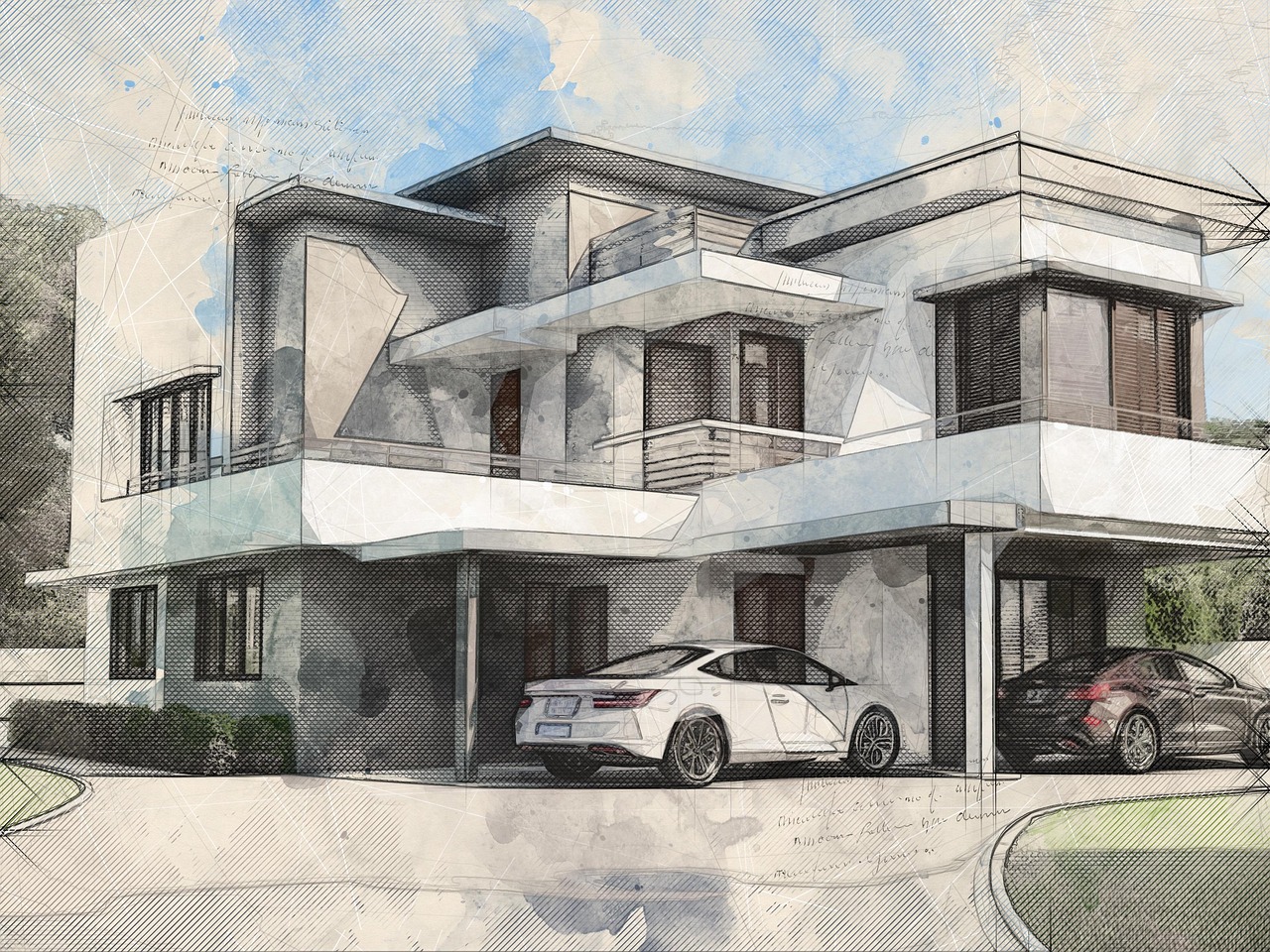
Nigeria may be in the early days of a boom in minimalist architecture. It’s a spillover from what’s been happening elsewhere in the world. Some of the more expensive spaces are now designed to be as easy on the eyes as possible. However, we could maintain some taste for the colourful and diverse in our structures, thanks to our cultural affinity for vibrancy.
VR-Powered Virtual Tours
This is the age of comfort, enabled by technologies that let us defy the limitations of distance. Virtual Reality (VR), for instance, is making it possible for developers and home buyers to take a tour of buildings without being present on site. We can expect this solution to become mainstream in Nigeria in the coming years, as is happening in other parts of the globe.
Sign up for the Connect Nigeria daily newsletter
The Future of Real Estate Investing
The future of real estate investing is an industry that may be less restricted to the wealthy than it’s been in the past. We explain this below:
Fractional Investing Intensifies
Real estate investing is being democratised. Fractional investing, which runs on digital platforms and blockchain technology, is taking off. Now, almost anyone can invest in real estate, because the barrier to entry (in terms of capital needed) is much lower. This trend will only accelerate in the near future.
Demographics of Tomorrow’s Cities
Here are a couple of points about what property surveyors and city planners may be dealing with in the future.
Emerging Megacities
Sometime in the future, Nigeria may have a number of extra-large urban agglomerations within its borders. Today, it has exactly one megacity (a megacity being a city of more than 10 million inhabitants)—Lagos. But we might see a few places join it, if the country’s largest cities continue to grow at the current pace.
A Mostly Urban Population
The World Bank estimates that slightly more than 54% of Nigerians live in urban centres. Just over a decade ago, the country was majority rural (as UN estimates for 2010 and the National Population Census in 2006 indicated). Nigeria is expected to go the way of the rest of the world in the rapid shift to a mostly urban population in the coming decades.
Register to attend the CN Business Mixer
Final Words
What’s the future of real estate? It’s certainly not going to be dull and unexciting. We are poised for fresh takes on architecture, gigantic cities, and more open models of investing in the sector. It will be interesting to see how it all pans out.
Did you find this article useful? Contact us: [email protected]