Not everyone is your customer. This might sound strange, especially if you’re trying to grow your business, but it’s true. Whether you’re selling clothes, skincare products, online services, or even sharing content on social media—there’s no one-size-fits-all approach. That’s where audience segmentation comes in.
Read more about Business
In this article, we’ll break down what audience segmentation means, why it’s important, and how you can use it to grow your business and connect better with your people.
So, What Is Audience Segmentation?
Imagine you sell sneakers. Some people buy them for fashion. Others buy them for running. Some care about price. Others want the latest brand. Now, if you speak to everyone the same way, you’ll likely miss the mark. You might sound too expensive for the budget shopper or too boring for the fashion lover.
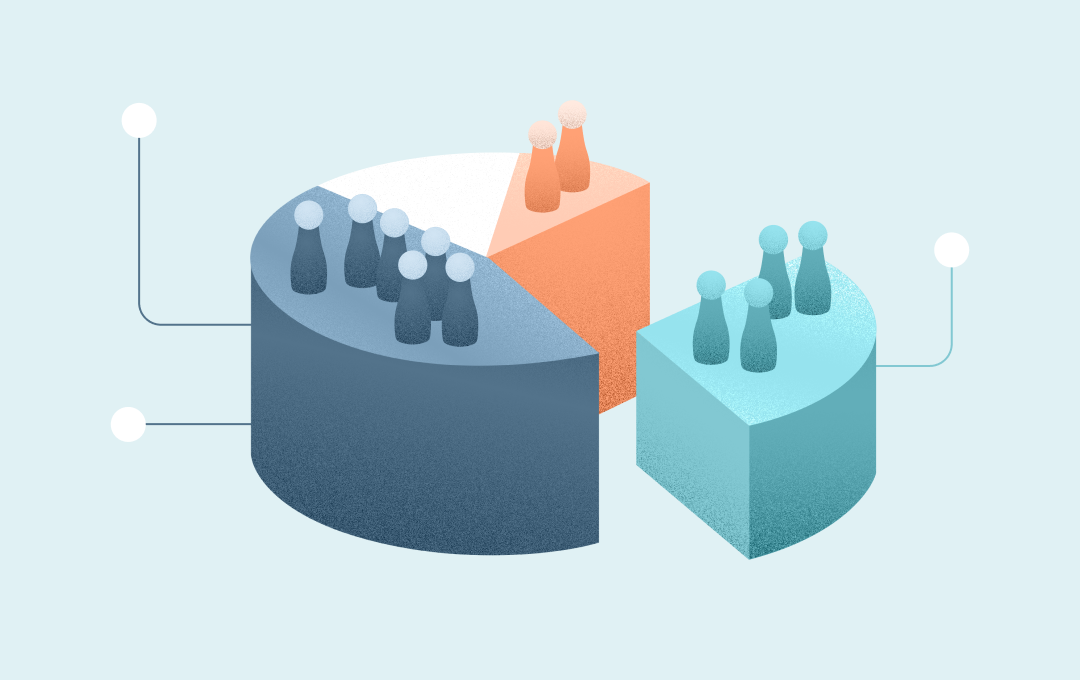
Audience segmentation means dividing your customers or audience into smaller groups based on certain characteristics like:
- Age
- Gender
- Interests
- Location
- Spending habits
- Online behaviour
- Needs or lifestyle
Each group has something in common that helps you serve them better.
Why Does It Matter?
Let’s say you walk into a market and shout, “Come and buy!” Some people might stop. But most will just walk by. Now, imagine walking up to someone who just complained about their old shoes and saying, “Hey, I have sneakers that are super comfy and affordable.” Chances are, they’ll listen. That’s the power of audience segmentation. You stop shouting. You start having real conversations with the right people.
How Does It Help Your Business?
-
Better Connection
When you understand your audience, your message becomes clearer. You speak their language. You solve their problems. That’s how trust is built.
-
Higher Sales
If you promote a product to people who actually need it, they’re more likely to buy. Simple logic, right?
-
Saves Time and Money
Instead of spending money reaching everyone, you focus on the ones who matter most. You use less to achieve more.
-
Improved Customer Experience
When your audience feels understood, they’re happier. And happy customers often come back—or bring friends.
How Do You Segment Your Audience?
You don’t need to be a tech genius. Just start with what you know.
- Look at your current customers. Who buys from you the most? What do they like? What do they complain about?
- Use your social media and website data. Which posts do people like most? Where are your followers from? What time are they active?
- Ask questions. Simple surveys or polls can tell you a lot. “What kind of content do you enjoy?” “Why did you choose our product?”
- Create groups. Now that you know more, divide your audience into small groups. Give each group a simple name like “Young Professionals,” “Budget Buyers,” or “Fitness Lovers.”
- Speak to each group differently. You don’t have to change your whole brand. Just tweak the message or offer to suit each group.
Don’t Overthink It
A lot of small businesses think audience segmentation is only for big companies with big money. That’s not true. Whether you’re running a business on Instagram, a fashion brand, a skincare line, or even a blog—understanding your audience is everything. Start small. Test and learn. You’ll get better over time.
Final Thoughts
Marketing is not about shouting louder than everyone else. It’s about speaking clearly to the right people. With audience segmentation, you don’t just reach people—you connect with them. And that connection is what makes people choose you, stay loyal, and even spread the word.
So, take a step back. Look at your audience. Divide and conquer—not in a bad way, but in a way that brings you closer to each person’s need. It’s not just smart. It’s human. And in a world full of noise, that’s how your brand can stand out—by simply knowing who you’re talking to.
Got something you want to read about on our platform? Contact us: [email protected]