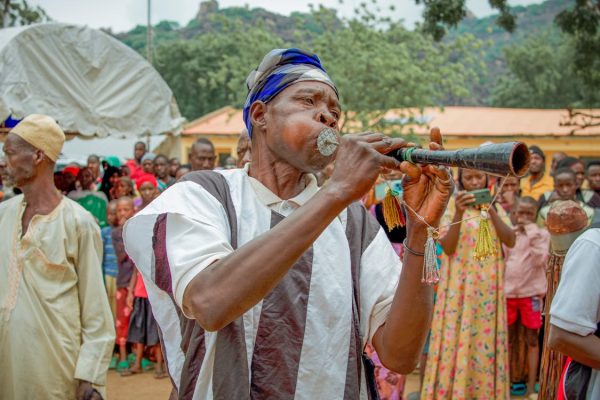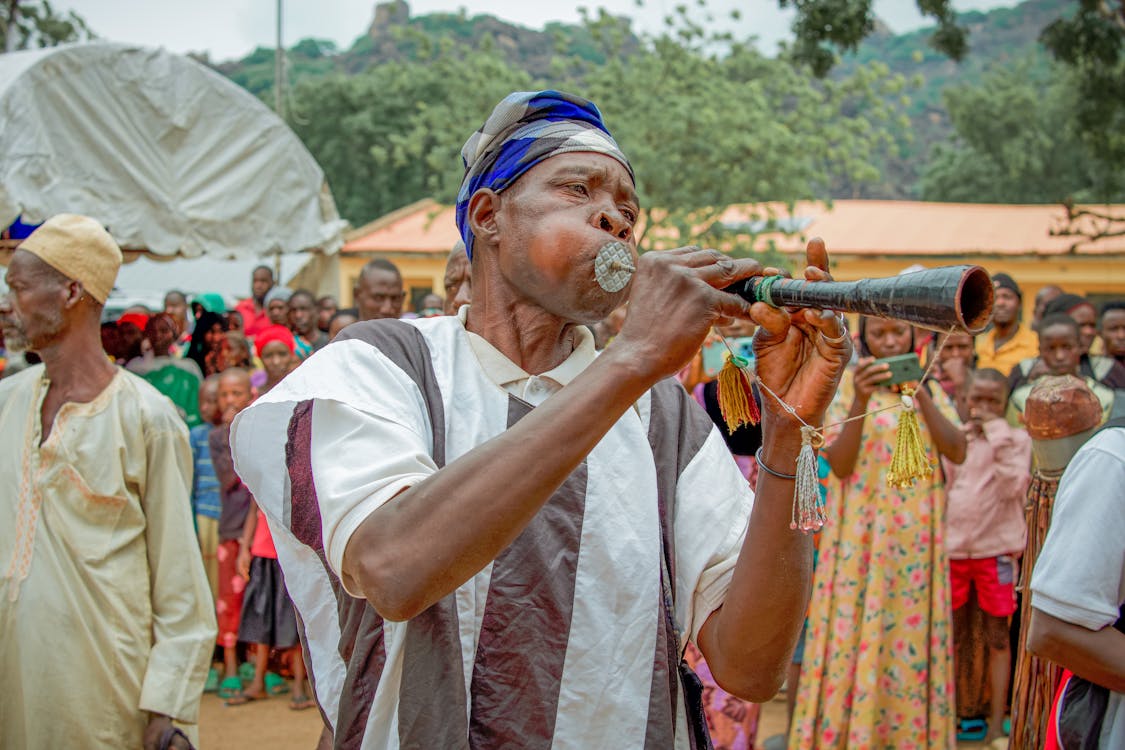
Social media has become one of the most powerful tools for promoting travel and tourism. In Nigeria, it is helping to showcase destinations that were once overlooked or underrepresented. From the rolling hills of Obudu to the beaches of Lagos, local creators and travel enthusiasts are using platforms like Instagram, TikTok, YouTube, and X (formerly Twitter) to bring attention to the beauty and diversity of Nigeria’s tourism offerings.
Read more about Social Media
This article explores how social media is shaping local tourism, driving economic opportunity, and changing the way Nigerians see their own country.
The Role of Social Media in Promoting Local Nigerian Tourism
-
Visual Storytelling Brings Destinations to Life
Social media thrives on visuals. Photos, videos, and reels allow travellers and content creators to tell stories that go beyond words. A scenic waterfall, a street food experience, or a cultural festival can come alive through one well-edited video or a series of Instagram posts.
Platforms like TikTok and Instagram Reels have made it easier for travellers to highlight unique destinations in short, engaging formats. These posts not only entertain but also inspire others to visit places they might not have considered.
Travel influencers in Nigeria, such as @theajala, @funmioyatogun, and @naijanomads, have done a great job of showcasing lesser-known destinations like Kajuru Castle in Kaduna or Erin Ijesha Waterfalls in Osun State. Their content puts these places on the map and encourages domestic travel.
-
Local Businesses Gain Visibility
When travellers post about their experiences, they are not just promoting a location—they are also promoting the businesses that serve them. Hotels, restaurants, tour guides, and local vendors often benefit from this exposure.
A post about a stay in a locally-owned guesthouse in Jos, or a food vlog from Calabar, can attract more customers than traditional advertising. Small tourism operators who may not have the resources to market themselves can benefit from word-of-mouth through social media shares and tags.
Some local businesses now actively partner with travel influencers, offering discounts or hosting them in exchange for exposure. This helps create a cycle of growth and collaboration that supports the local tourism economy.
-
User-Generated Content Builds Trust
Social media gives real people a voice. When everyday travellers share their experiences, it adds authenticity. Unlike polished brochures or government promos, user-generated content feels more relatable and trustworthy.
Sign up for the Connect Nigeria daily newsletter
Potential tourists are more likely to take a trip when they see someone they follow enjoying it. A group of friends hiking Ado Awaye’s suspended lake or a family exploring Nike Art Gallery creates a more personal connection than an ad campaign.
Hashtags like #TravelNigeria, #ExperienceNaija, or #NaijaToTheWorld help organise this content, making it easier for curious travellers to discover new locations through peer recommendations.
-
Driving National Pride and Cultural Appreciation
Social media also plays a role in changing how Nigerians view tourism within their own borders. For a long time, many people associated travel with going abroad. That is starting to shift.
More Nigerians are now exploring their own country, discovering cultural heritage sites, natural wonders, and local traditions. Social media helps spark that interest by making travel more visible and aspirational. Content that celebrates local fashion, food, art, and festivals helps promote cultural pride and keeps these traditions alive by sharing them with a wider audience.
-
Challenges to Consider
While social media has opened doors, it also presents challenges. Poor infrastructure, safety concerns, and lack of clear travel information still hold back tourism in some areas. Overhyped destinations can also lead to unrealistic expectations or overcrowding.
To balance promotion with sustainability, creators and tourism stakeholders should focus on sharing honest reviews, encouraging responsible travel, and highlighting a wide variety of destinations instead of just the most popular ones.
Register to attend the CN Business Mixer
Conclusion
Social media is transforming how Nigerians discover and engage with tourism. By bringing visibility to hidden gems, supporting local businesses, and building national pride, it plays a key role in growing domestic travel. With the right support, creativity, and collaboration, social media can continue to shape a stronger, more inclusive tourism industry that celebrates all corners of Nigeria.
Did you find this article useful? Contact us: [email protected]