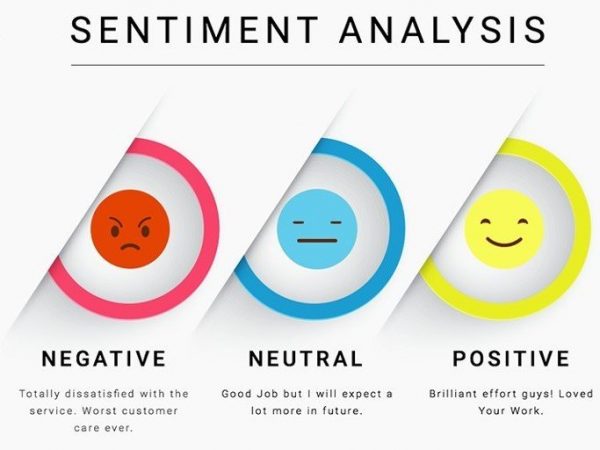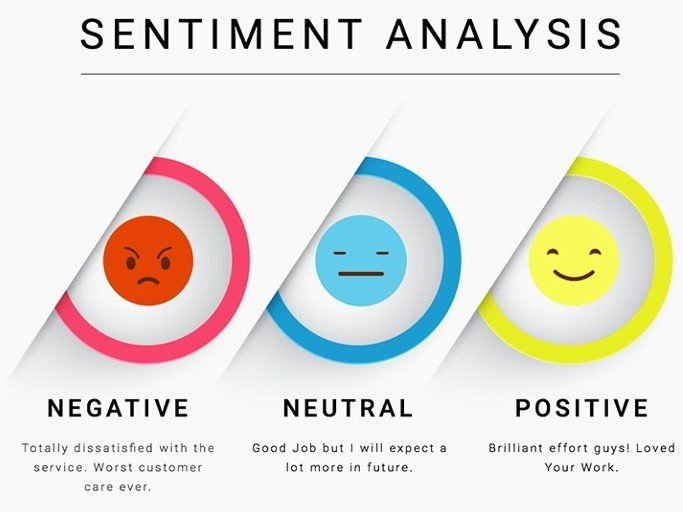
Sentiment analysis refers to the computational identification and categorization of opinions (positive, negative, or neutral) expressed in text, often using machine learning and natural language processing techniques to parse vast volumes of unstructured data. In Nigeria, the proliferation of smartphones and internet access has led to an explosion of user-generated content on platforms like Twitter, Facebook, and Instagram, providing a fertile data source for PR agencies seeking actionable insights. As traditional PR methods such as press releases and media outreach struggle to capture real-time public mood, sentiment analysis offers a dynamic alternative, allowing practitioners to listen to stakeholders’ voices in real time and respond proactively. Consequently, sentiment analysis has shifted from a niche research area to a mainstream PR tool, shaping how brands engage with their audiences in Nigeria’s fast-evolving digital space.
Read more about Tech
Evolution of Sentiment Analysis in Nigerian PR
Sentiment analysis first gained traction in Nigeria within academic and tech communities, primarily to assess public reactions to political events such as elections and policy changes. Over the past five years, however, PR firms and in-house communications teams have adopted sentiment analysis software (both locally developed and international) to monitor brand perception and campaign effectiveness. By 2023, leading Lagos-based PR agencies integrated dashboards from providers like Hootsuite and Meltwater, which come pre‑configured for sentiment scoring, into their daily workflows. Concurrently, local tech startups built Nigerian-specific lexicons to account for pidgin English, Yoruba, Igbo, and Hausa expressions, improving the precision of sentiment classification in a linguistically diverse environment. This trajectory from academic exploration to corporate adoption underscores PR’s evolving digital maturity, emphasizing data-driven decision-making over anecdotal assessments.
Register to attend the Connect Nigeria Business Mixer
Applications and Impact
Crisis Management
Sentiment analysis played a pivotal role during the EndSARS protests in 2020, when PR professionals tracked shifts in online sentiment to advise brands on whether to engage or remain silent. By analyzing Twitter streams and Facebook comments, agencies identified surges in negative sentiment linked to government and corporate responses, prompting clients to issue timely statements of solidarity or adjust marketing messages to avoid backlash. Similarly, during the 2023 Central Bank of Nigeria currency redesign, financial institutions used sentiment analysis to detect growing citizen frustration, enabling banks to launch educational campaigns that mitigated panic and misinformation.
Reputation and Brand Monitoring
Beyond crisis scenarios, Nigerian PR teams employ sentiment analysis for ongoing reputation management. For example, a Lagos tech startup launched a product in Q4 2024 and used sentiment trends on Twitter to determine if initial feedback was predominantly favorable or required immediate feature adjustments. By comparing sentiment percentages week‑over‑week, marketers refined messaging and altered pricing strategy, leading to a 15% uptick in positive brand mentions within one month. In the hospitality sector, hotels.ng relied on sentiment analysis of customer reviews to tailor service enhancements, resulting in improved guest satisfaction scores and a 10% increase in repeat bookings by mid‑2024.
Campaign Effectiveness
Sentiment analysis also informs content and campaign strategy. For instance, PR agencies running health awareness initiatives on COVID‑19 vaccination in 2022 used sentiment scores to identify counties or regions where vaccine hesitancy was strongest. By targeting messages to address specific concerns reflected in negative sentiment (such as fear of side effects or mistrust of government) campaigns achieved a 20% lift in positive engagement on social media within three months. This data‑driven approach ensures that PR budgets are allocated to high‑impact tactics, optimizing return on investment.
Sign up for the Connect Nigeria daily newsletter
Challenges and Best Practices
Linguistic Diversity and Accuracy
Nigeria’s multilingual environment complicates sentiment analysis, as standard tools often misclassify slang, code‑switching, and idiomatic expressions. To address this, some agencies collaborate with data scientists to develop custom lexicons and train models on locally sourced corpora, including NaijaSenti’s Twitter dataset, which covers Hausa, Yoruba, Igbo, and Nigerian‑Pidgin tweets. This localized training yields higher accuracy but requires upfront investment in data annotation and model tuning.
Resource Constraints and Expertise
Many Nigerian PR firms lack in‑house AI expertise and rely on third‑party vendors, which can be costly and limit customization. Moreover, smaller agencies may struggle to interpret sentiment dashboards or to distinguish genuine shifts in public mood from short‑lived viral trends. Developing internal capacity through upskilling workshops and partnerships with university computer science departments can mitigate these gaps.
Ethical and Privacy Concerns
Collecting and analyzing user‑generated content raises ethical questions around consent and data privacy, especially when monitoring individuals without explicit permission. Adhering to Nigeria’s Data Protection Regulation (NDPR) and anonymizing user data before analysis are best practices that align PR activities with legal and moral standards. Agencies should also transparently communicate with clients about methodology and data sources to build trust.
Got a suggestion? Contact us: [email protected]
Conclusion
Sentiment analysis has transformed Nigerian PR by providing real‑time insights into public sentiment, enabling proactive crisis management, informed reputation monitoring, and data‑driven campaign strategies. While challenges such as linguistic diversity, resource limitations, and ethical concerns persist, best practices (including localized model training, internal capacity building, and regulatory compliance) can optimize outcomes. As Nigeria’s digital ecosystem continues to expand, sentiment analysis will remain a critical tool for PR professionals seeking to navigate complex stakeholder landscapes and maintain competitive advantage.