

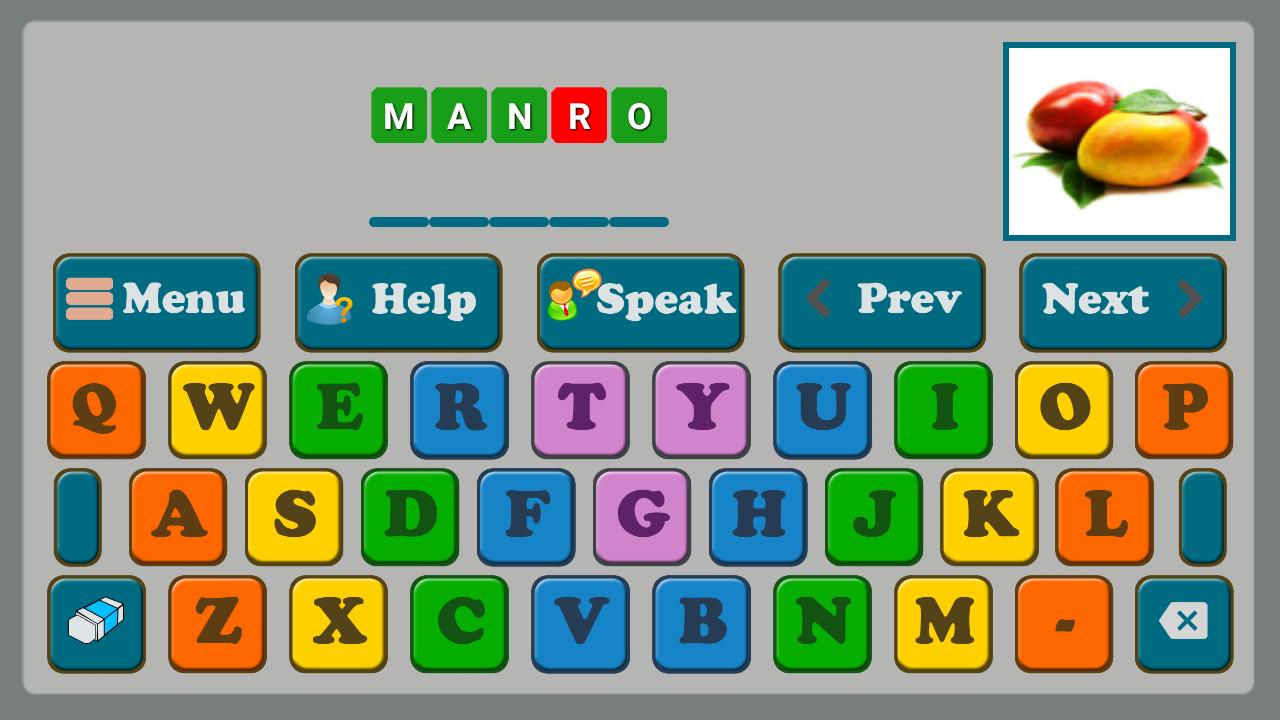
Over the past five years, gamified spelling applications have proliferated in Nigeria, blending interactive game mechanics with traditional spelling pedagogy to enhance young learners’ literacy skills. Platforms such as the Nigeria Spelling Bee Game and MTN’s mPulse Spelling Bee app have democratized access to engaging spelling practice nationally. By integrating leaderboards, point systems, and in-app rewards, these tools motivate children across diverse regions to hone their vocabulary and orthographic competence.
Early evidence indicates that participation in such apps correlates with improved spelling accuracy and increased learner confidence, particularly when supplemented by structured school programs. However, disparities in internet access, device availability, and localized content pose ongoing challenges. This article examines the emergence and availability of gamified spelling apps in Nigeria, their impact on learner engagement and outcomes, and the defining features and future prospects of these platforms.
Read more about Tech
Emergence and Availability of Gamified Spelling Apps in Nigeria
Nigeria’s foray into gamified spelling tools began with initiatives by the Nigeria Spelling Bee (NSB) organization, which launched its official mobile game in 2019 to provide competitive and interactive practice for primary and secondary students nationwide. The NSB Game offers audio pronunciation, definitions, and example sentences for thousands of contest words, enabling learners to simulate competition rounds virtually. In 2024, MTN Nigeria expanded on this model by introducing the mPulse Spelling Bee application, targeting students aged nine to fifteen with real-time quizzes, leaderboards, and scholarship incentives worth up to ₦1 million for top performers.
As of mid-2024, over 300 000 Nigerian students had registered for NSB Game qualifiers on the app, and MTN reported that its digital Bee reached students in both urban centers and remote rural areas. Additionally, global edtech tools like “Spelling & Phonics: Kids Games,” available on Google Play in Nigeria, have been downloaded by over 50 000 users locally, demonstrating demand for interactive phonics instruction. Meanwhile, Solve Education!’s Ed the Learning Bot, though not exclusively spelling-focused, integrates gamified quizzes on English vocabulary and spelling via Telegram, benefiting over 20 000 young Nigerians since its 2021 launch.
Register to attend the Connect Nigeria Business Mixer
Impact on Learner Engagement and Outcomes
Empirical data from NSB and MTN initiatives highlight significant engagement gains among young learners. A 2024 NSB survey found that 72% of app users reported practicing spelling at least three times weekly, compared to 45% prior to using the platform. This increase in practice frequency corresponded with a 15% reduction in average contest error rates among state qualifiers, indicating measurable improvements in orthographic accuracy. Similarly, MTN’s post-event evaluation revealed that students using the mPulse Spelling Bee app for four weeks reduced spelling errors by an average of 18% and demonstrated heightened classroom participation.
Educators also note behavioral shifts: teachers in Lagos and Kano integrated app-based spelling challenges into their weekly lesson plans, reporting a 60% rise in students volunteering for oral spelling drills. Beyond accuracy, these gamified tools foster intrinsic motivation; leaderboards and virtual badges stimulate healthy competition, while scholarship and tangible rewards incentivize consistent practice. For example, in Kaduna State, a teacher organized intra-class competitions using the NSB app, resulting in a 20% increase in classroom attendance during spelling sessions. Moreover, Solve Education!’s Ed the Bot documented a 25% uptick in user retention when spelling modules introduced game-like quizzes compared to static flashcards.
Sign up for the Connect Nigeria daily newsletter
Characteristics and Future Prospects
Several core features underpin the success of gamified spelling apps in Nigeria. First, adaptive difficulty (where the app adjusts word complexity based on individual performance) ensures content remains challenging yet attainable. NSB Game, for instance, employs an algorithm that promotes students to higher difficulty levels only upon consecutive correct responses, maintaining engagement and reducing frustration. In-app social sharing functions further amplify motivation; students often post achievement badges on WhatsApp and Instagram, fostering peer-driven accountability.
Secondly, offline accessibility is critical: recent NSB updates enable users to download word lists and practice modules for areas with intermittent connectivity, addressing Nigeria’s digital divide. Thirdly, culturally relevant content (such as lists featuring commonly used Nigerian English words and Igbo or Yoruba loanwords) resonates with learners and bolsters linguistic confidence. Looking ahead, partnerships between edtech startups and federal agencies aim to subsidize smartphones for rural schools, expanding reach. Additionally, integration with national curricula is under discussion: the Federal Ministry of Education is piloting a program to incorporate NSB Game modules into English classes in 100 secondary schools beginning in 2025.
However, challenges persist. Despite offline modes, limited device availability in low-income households constrains adoption. Content localization for Nigeria’s over 500 indigenous languages remains nascent; while emphasis has been on English, efforts to develop spelling modules for Hausa, Yoruba, and Igbo are underway but require larger speech corpora and expert collaboration. Furthermore, sustained funding is essential: nonprofits currently subsidize app licensing for underprivileged learners, but long-term revenue models must balance affordability with operational costs.
Got a suggestion? Contact us: [email protected]
Conclusion
The rise of gamified spelling apps in Nigeria marks a transformative shift in foundational literacy education. Through platforms such as the NSB Game, MTN’s mPulse Spelling Bee app, and Solve Education, Ed the Bot, children are engaging with orthographic practice in dynamic, motivating environments that transcend traditional worksheets. Early outcomes demonstrate improved accuracy, heightened motivation, and increased classroom engagement; particularly when apps are integrated into school programs and supplemented by offline capabilities. Future strides hinge on addressing device access, expanding indigenous language content, and forging sustainable partnerships between edtech innovators, educators, and government bodies. As these collaborations deepen, gamified spelling applications are poised to bridge literacy gaps and empower Nigeria’s young learners to achieve linguistic proficiency and academic excellence.
