
Herdsmen Invasion: A Regional Effort to Tackle Insecurity
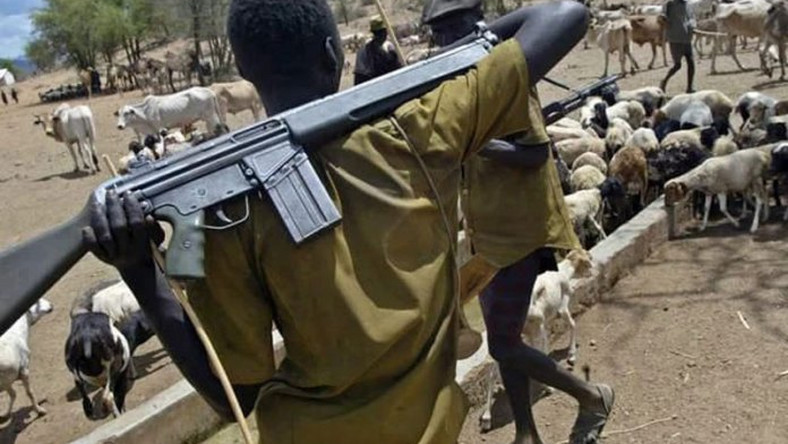
Barely a month since Chief Olusegun Obasanjo and Professor Wole Soyinka agreed on the subject of insecurity in the nation – and particularly the recent kidnappings in the South-West – there has been an unprecedented step up in coordinated effort to get regional leaders and other stakeholders on board to take pragmatic action. Gone are […]
Kenneth Ize Is Styling the New World in Hand-Woven Aso Oke

Fashion narratives are beginning to change in Nigeria and Africa as a whole. Contemporary designers fuse locally woven fabrics and traditional motifs with unconventional styles to create talk-of-the-runway pieces. These designs are a union of global cultures, a blend of heritage and avant-gardism; this is the future of African fashion and Kenneth Ize is certain […]
Origin of the Nigerian Foods: Ofuloju
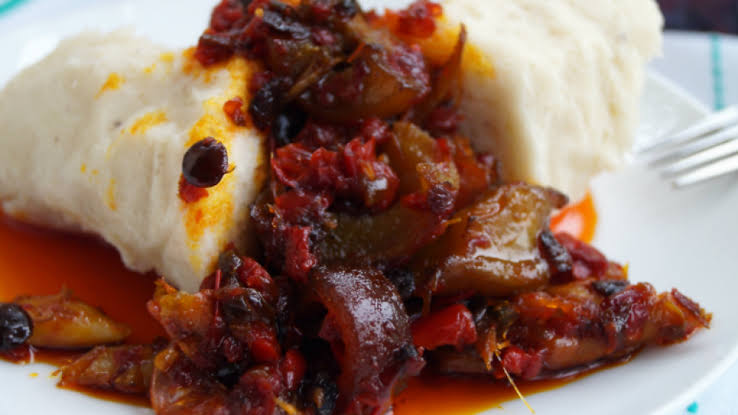
Cooking is an art. Each time I think about cultural foods, I cannot help but be astounded by the level of creativity that led to their emergence. Take beans, for instance. Plain bean porridge would have been the only way this legume can be enjoyed but for the creative impetus of the women of all […]
Origin of Nigerian Foods: Amala
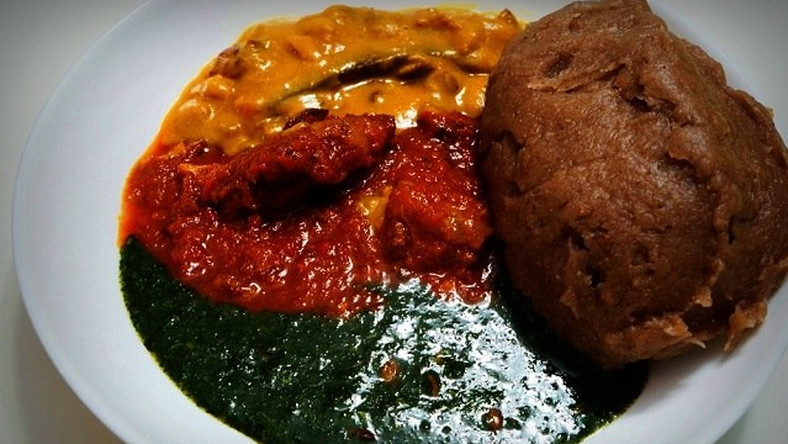
Food consumption plays a central role in our daily interaction with friends, family and even colleagues. It features in celebrations that mark particular rites of passage like marriage, anniversaries and even burials. Food is, therefore, key to understanding how we organize our relationships with each other and the meaning of those relationships. The Yoruba occupy […]
Discover Nigeria: A Tour To Ibarapa Tribe
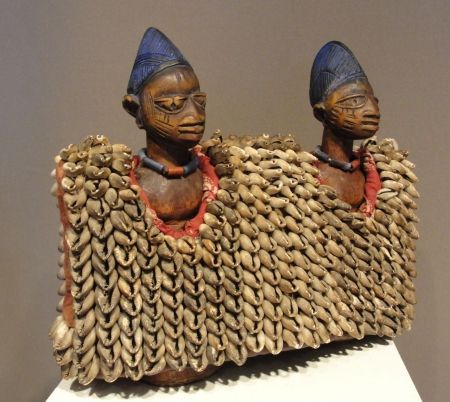
The Ibarapa tribe are a group of Yoruba people predominantly located in the Southwest of Oyo State, Nigeria. They are bordered on the East by the people of Oyo, Egbado on the West, Egba on the South, and Onko (a group consisting of Iwajowa, Iseyin, and Kajola Local Government Areas) on the North. The town […]
Interesting Facts About The Egba Tribe
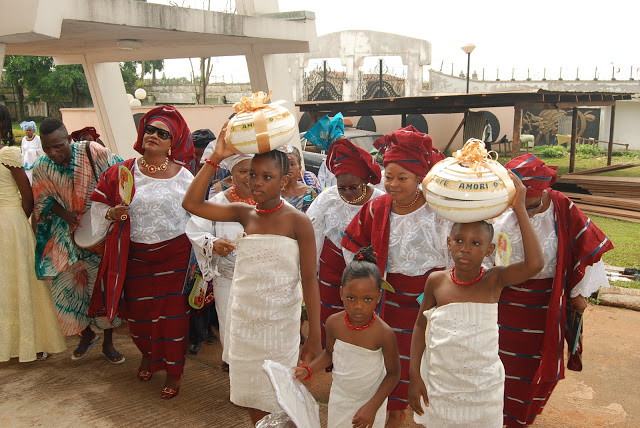
The Egba tribe is a sub-ethnic group of one of the major tribes in Nigeria – the Yoruba tribe. They are a group of people domiciled in Ogun State, precisely Abeokuta. It is worthy to note that besides being one of the four major ethnic groups in Ogun State, they are also one of the […]
Did You Know? Yoruba Tennis Club

Walking through Onikan Road during the early hours of Saturday morning, I laid sight on what should be one of Nigeria’s monumental sports sights, the Yoruba Tennis Club, a symbol of our identity and brotherhood; a treasured possession we would fight to protect in the years leading to our independence. However, the washed out paint […]
Did You Know? Yorubas Are Called ‘Aku’
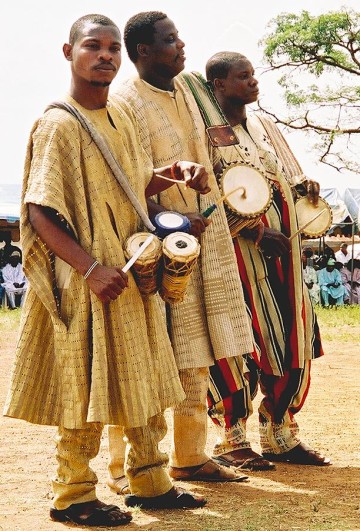
The Yorubas are one of the three largest ethnic groups in Nigeria. They are predominantly found in the South-West region of the country. A good number of them are, however, found in other countries such as Togo, Benin Republic, Cameroon, Sierra Leone, and Ghana. Origin Although there are various accounts of the history and origin […]
‘October 1’ Director And Producer To Release New Yoruba TV Series

Popular Nigerian actor and movie director, Kunle Afolayan, has announced that he is working on a new television series scheduled for release next year. Epic yoruba Afolayan hopes to capture the 16th-century tradition of the ethnic group in the new epic Yoruba drama TV series. Speaking to NAN on Wednesday, he said: “I have quite […]
Four Necessary Things to Know Before Visiting Ibadan
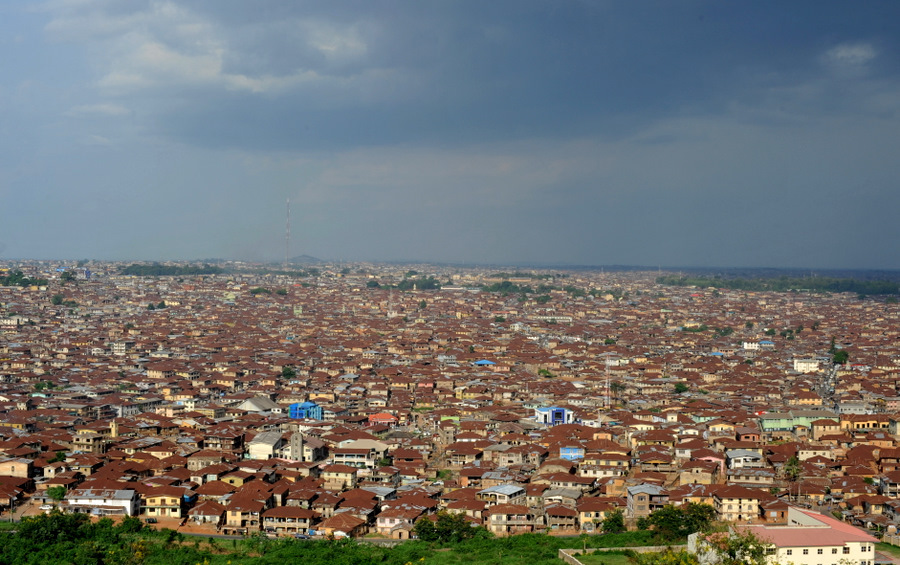
OYO State capital, Ibadan, covers a land mass of about 3080 square kilometers and has a population of approximately 3 million. Ibadan is home to many establishments and business organizations and the city has continued to grow in all ramifications. In case you are thinking of visiting Ibadan either to tour it for fun or […]
The Origin of the Yoruba
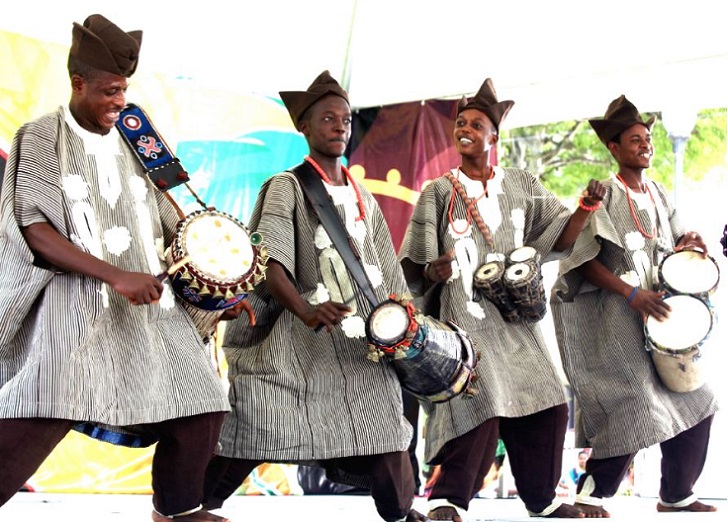
The Yoruba are the second largest ethnic group in Nigeria, with a population of about 30 million, and occupy most of what we refer to today as South Western Nigeria. Indigenous Yoruba populations can also be found in the Republic of Benin and Togo (1). They boast a rich culture which has influenced many other […]
Fascinating Facts You Should Know About The Talking Drum
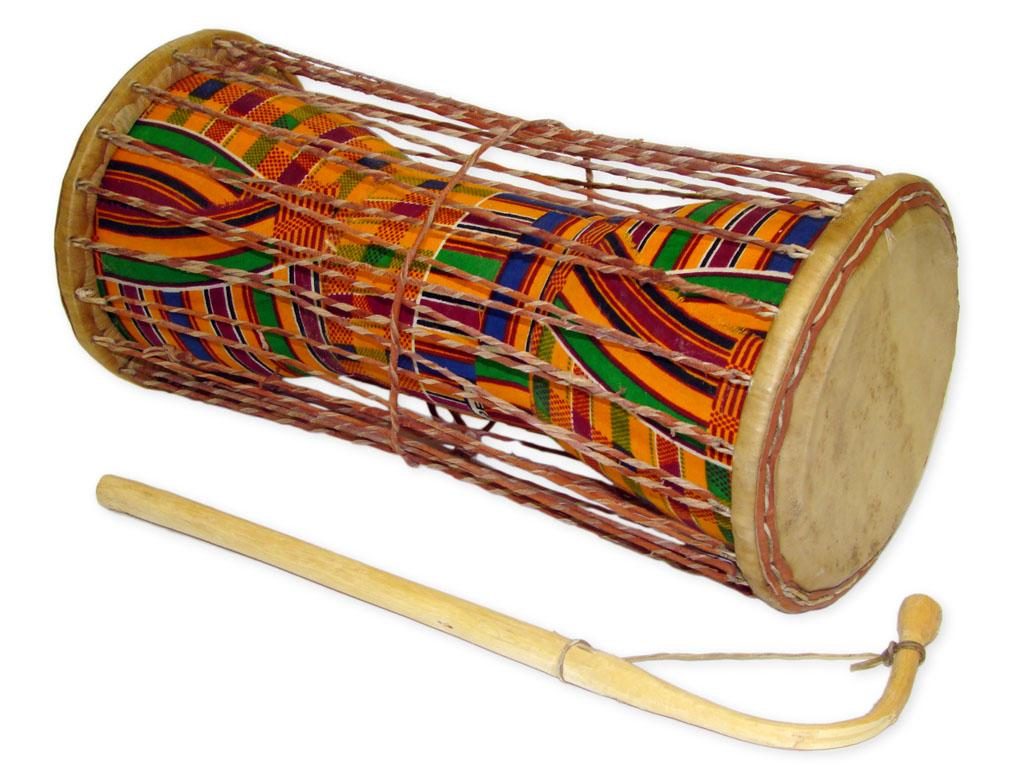
Although, modern musical instruments like the piano, guitar, violin, and trumpet amongst others are taking over the musical landscape, the place of the Yoruba Batá (Talking Drum) can never be downplayed. It is exceptional and unique in its production and sound which connotes so much to those that deeply understand the Yoruba language and cultural […]
Learn a Skill Wednesday: How to Prepare Gbegiri Soup
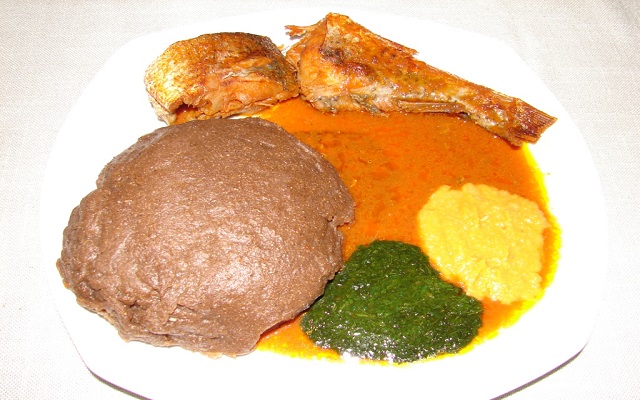
Gbegiri soup is a Yoruba (Western Nigerian) soup prepared with beans. It can be eaten alone with Amala/Eba or combined with Ewedu soup; it depends on your preference. This week, I will only explain how to prepare Gbegiri soup. Ingredients for Gbegiri Soup 1. 150g of Black Eyed or Brown Beans 2. 1 small […]
#ThrowBackThursday: Yoruba Folklore and Folktales
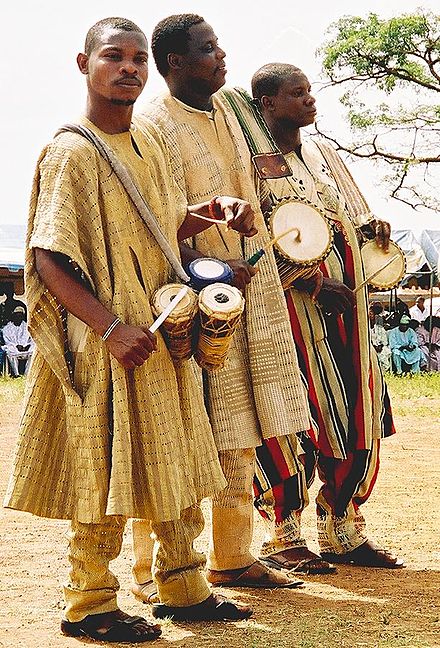
Folklore are traditional beliefs, and every tribe in Nigeria has its own. Folklore is not the same as culture, rather it is a set of beliefs drawn from legends called folktales. Folktales are traditional stories told from generation to generation. Here is a popular Yoruba folktale which is central to Yoruba folklore: The story of creation: Every […]
Titles of Traditional Monarchs in Yorubaland You Should Know

The Oba’s office and person in a traditional Yoruba setting was and still is sacred. During the pre-colonial era, the Oba was the priest and protector of his people, and the people naturally wished to live in his shadow. The titles of the Obas were usually derived from the name of their towns, for example, […]
Discover Nigeria: The Yoruba Origin of Brazilian Culture
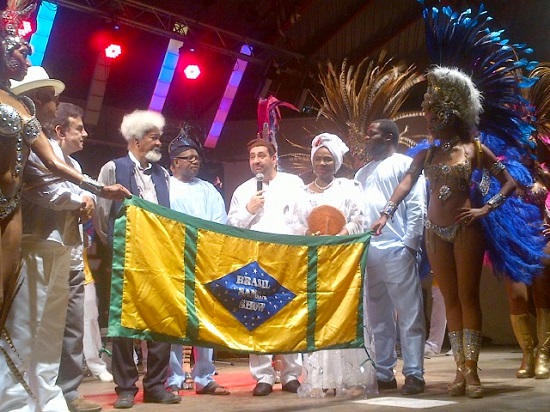
By Abiola Alabi The Yoruba people of West Africa constitute one of the largest ethnic groups in Sub-Saharan Africa at almost 40 million people in total. They are predominantly settled in Nigeria, where they comprise 21% of the population and the Yoruba language, which is also spoken in Togo and Benin, is still spoken here. […]