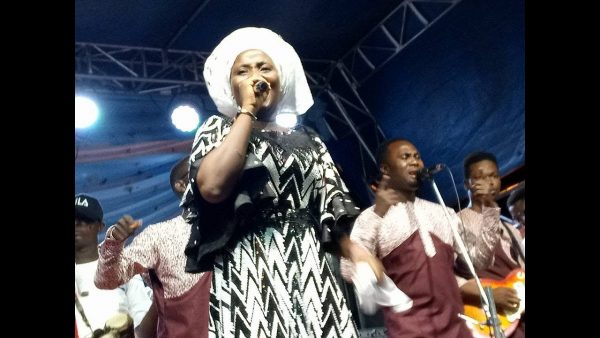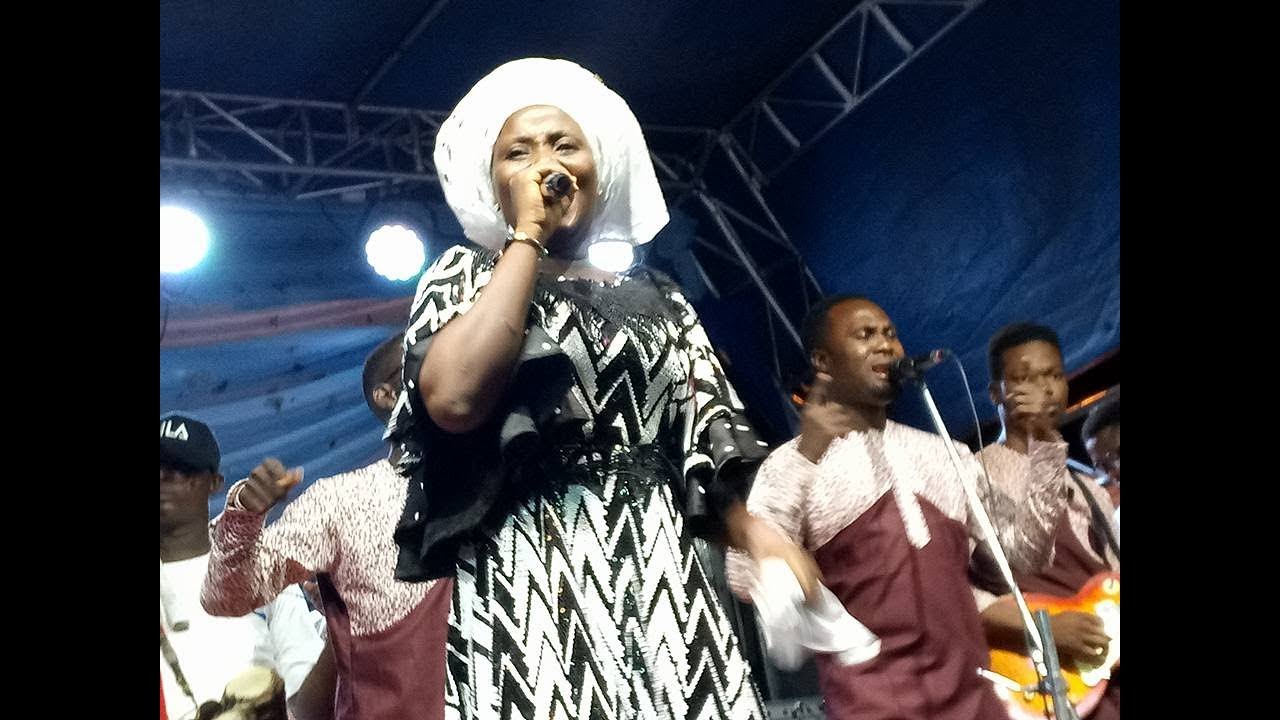
Nigerian praise dances have long been a vibrant facet of worship culture in Nigeria, fusing indigenous movement traditions with contemporary gospel expression. These dances are not only artistic performances but also spiritual testimonies that echo the historical struggles and triumphs of the Nigerian people. By channeling historical narratives through rhythmic movements and vibrant music, praise dances offer congregations a unique, embodied experience of worship and collective memory. This article critically examines how Nigerian praise dances draw on historical and cultural foundations and how they have evolved in contemporary worship settings to engage modern believers.
Read more about Gospel music
Historical and Cultural Foundations
Historically, praise dances in Nigeria emerged as a natural extension of the nation’s rich cultural heritage, rooted in traditional festivals and communal celebrations. In many ethnic groups (particularly among the Yoruba and Igbo) the use of dance has been central to ceremonies marking significant communal events. These traditional forms were later integrated into Christian worship as gospel music began to incorporate indigenous elements. For example, many Nigerian churches use traditional drumming and dance steps reminiscent of pre-colonial rituals to celebrate spiritual deliverance, a practice that reinforces the community’s historical identity while affirming its faith. This integration of ancestral culture into contemporary worship not only preserves historical narratives but also reclaims a sense of identity and continuity within the church.
Register to attend the Connect Nigeria Business Mixer
Contemporary Expressions and Impact on Worship Culture
In modern Nigerian churches, praise dances have evolved to reflect current realities while retaining deep historical resonance. Contemporary gospel artists and worship groups often blend modern choreography with traditional rhythms, creating performances that are both innovative and culturally rooted. For instance, the popular gospel group Praise Dynamics frequently shares dance performances on social media platforms such as Instagram and YouTube, where their videos garner thousands of views and stimulate lively discussions among youth. These modern praise dances serve as interactive tools for engaging congregants; inviting them not only to witness a performance but also to actively participate in worship. By doing so, they bridge generational gaps, enhance the overall worship experience, and cultivate a deeper emotional connection to the gospel message.
Sign up for the Connect Nigeria daily newsletter
Conclusion
Nigerian praise dances uniquely express the nation’s history and cultural identity within its worship practices. Drawing on ancient traditions and reinterpreting them through contemporary artistry, these dances serve as powerful vehicles for preserving historical memory, fostering community, and enhancing spiritual engagement. As both historical artifacts and dynamic modern expressions, praise dances continue to inspire faith, encourage participation, and shape the evolving worship culture in Nigeria, ensuring that the lessons of the past remain a living part of the present (Ogunyemi; Okoro and Adeyemi).
Got a suggestion? Contact us: [email protected]