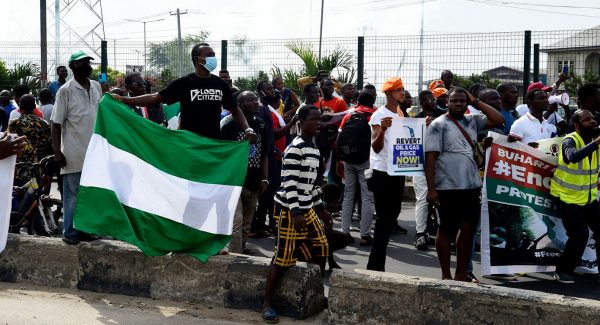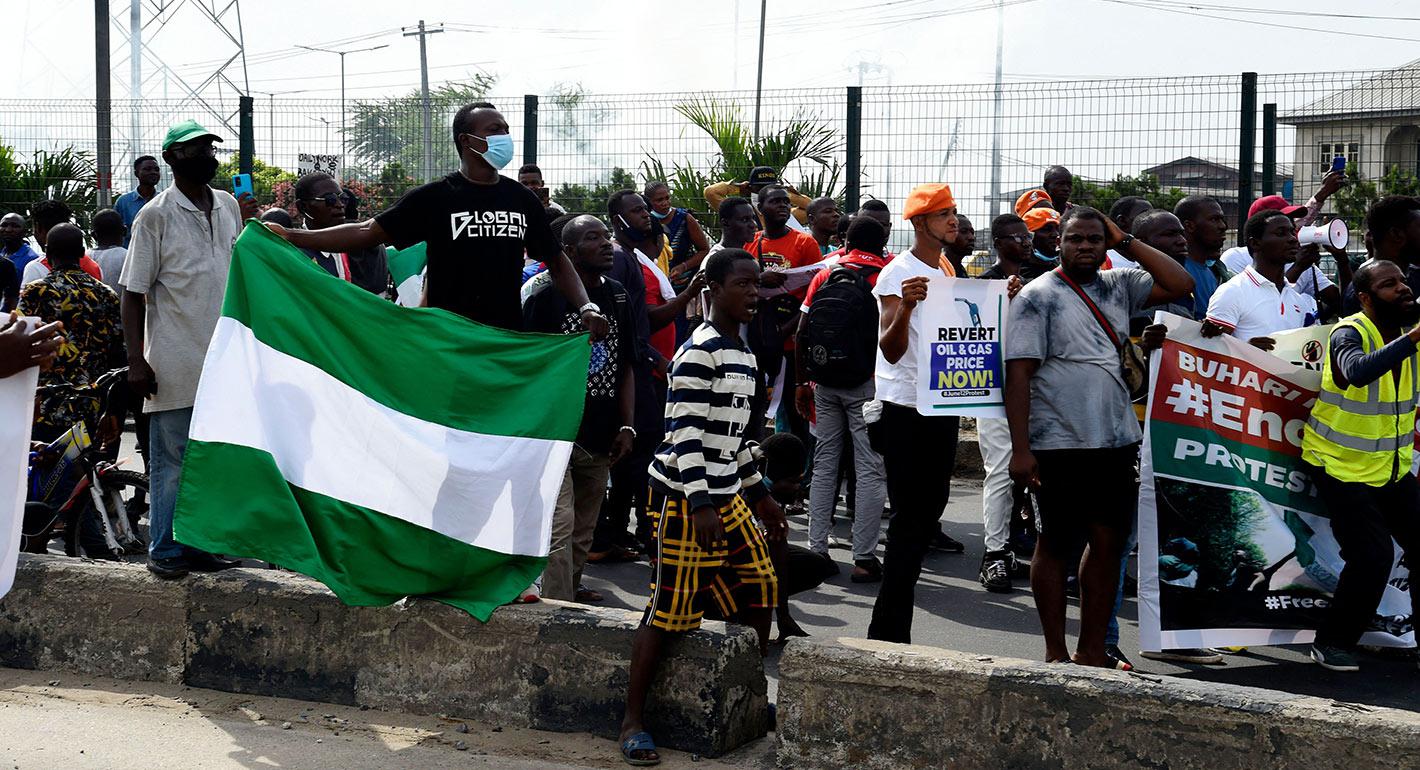
In Nigeria, social media has grown into more than just a place for entertainment or connection; it’s a tool for political action. Young Nigerians, in particular, are using platforms like Twitter (X), Instagram, TikTok, and Facebook to demand change, challenge leadership, and spread awareness about policies that affect everyday life. From the #EndSARS protests to voter education campaigns, social media has proven to be a powerful force in shaping political advocacy and awareness.
Read more about Social Media
This post explores how individuals, groups, and organisations in Nigeria can effectively use social media to promote political advocacy and drive awareness without losing sight of safety and credibility.
How to Use Social Media for Political Advocacy and Awareness
1. Use Hashtags to Create Visibility and Unity
Hashtags help bring scattered voices together. Whether it’s #EndSARS, #OccupyNigeria, or #PVCChallenge, a strong, clear hashtag helps a cause trend, gain attention, and become searchable. The right hashtag can move from a tweet into mainstream conversation. If you’re starting a campaign, create a simple, memorable tag and encourage consistent use. This helps unify the message and builds momentum quickly.
2. Create Shareable and Easy-to-Understand Content
Not everyone understands political jargon or policies. Break things down using simple, visual posts. Use Instagram carousels, short TikTok explainers, or even WhatsApp voice notes to explain bills, rights, or voting procedures. When political issues are explained in relatable ways, more people pay attention and share. The goal is to make complex issues accessible and relevant to everyday Nigerians.
3. Partner with Influencers and Creators Who Drive Conversation
In political advocacy, reach is key. Collaborate with online voices that already have credibility in civic or social spaces. These could be lawyers, journalists, comedians, skit makers, or lifestyle creators who care about governance. When they post or speak up about an issue, their audience listens. It’s not about making every post serious; it’s about finding the right people who can communicate in a way that moves others to act.
4. Run Voter Education and Awareness Campaigns Regularly
Many Nigerians want to vote or participate in politics but don’t know how or where to start. Social media is the best place to run clear, repeated reminders about registration deadlines, polling locations, ID requirements, and peaceful voting tips. Use reels, infographics, threads, and Q&A sessions to share helpful updates. These campaigns are especially powerful during election seasons, but they matter all year round.
Sign up for the Connect Nigeria daily newsletter
5. Livestreams, Spaces, and Lives for Real-Time Engagement
Use Instagram Live, Twitter Spaces, or Facebook Live to host real-time conversations with activists, legal experts, candidates, or concerned citizens. These sessions help clarify issues, allow people to ask questions, and bring more transparency to political discussions. Nigerians often trust people they can interact with directly, and social media’s live features make that possible at scale.
6. Track Trends, But Don’t Post Without Verifying
In fast-moving political moments, false news spreads quickly. Before you repost, share, or tweet, verify the source. Use credible platforms like Channels TV, Premium Times, or fact-checking accounts. One false post can damage trust and hurt your cause. Build your audience on truth, not just speed.
7. Protect Your Privacy and Stay Safe
Advocacy online comes with risks. If you’re leading or sharing sensitive political content, avoid sharing personal data, geolocation, or private conversations publicly. Use secure apps for team coordination. Keep your accounts protected with strong passwords and two-factor authentication. Speak up, but be smart about how you show up online.
8. Celebrate Small Wins and Encourage Offline Action
Social media is powerful, but real change often happens offline. Use your platform to highlight community meetings, peaceful protests, petition drives, or court victories. Celebrate every progress point, whether it’s a councillor responding to a thread or a new voter registration centre opening. These updates keep people hopeful and motivated.
Register to attend the CN Business Mixer
Conclusion
In Nigeria, social media has become a tool of the people. It’s how young citizens amplify their voices, demand better governance, and educate each other about rights and responsibilities. When used intentionally, respectfully, and consistently, platforms like Twitter, Instagram, and WhatsApp can turn everyday users into powerful advocates.
Got a suggestion? Contact us: [email protected]