Though often performed in worship contexts, Ise Oluwa’s genesis lies not in formal liturgy but in the Yoruba tradition of lullabies. The melodic simplicity and reassuring lyrics made it a staple of maternal care long before choirmasters transcribed it for church choirs. This article examines, the lullaby roots that nourished its earliest life, and the church‑music adaptation that transformed it into a beloved hymn, highlighting its enduring legacy.
Read more about Gospel music
Oral Tradition and the Lullaby Connection
Yoruba lullabies are characterized by repetitive refrains and gentle rhythms intended to calm infants, often invoking divine protection or blessings. Ise Oluwa’s primary lines – “Ise Oluwa / Ko le baje o” (“God’s work will never spoil”) – mirror this structure, offering both spiritual affirmation and soothing cadence. Elderly Yoruba speakers recall mothers chanting the phrase softly at bedtime, entrusting children to God’s care through song. These domestic renditions, passed down orally, preserved the melody’s purity and communal significance outside formal worship settings.
Register to attend the Connect Nigeria Business Mixer
Formal Adaptation and Harmonization
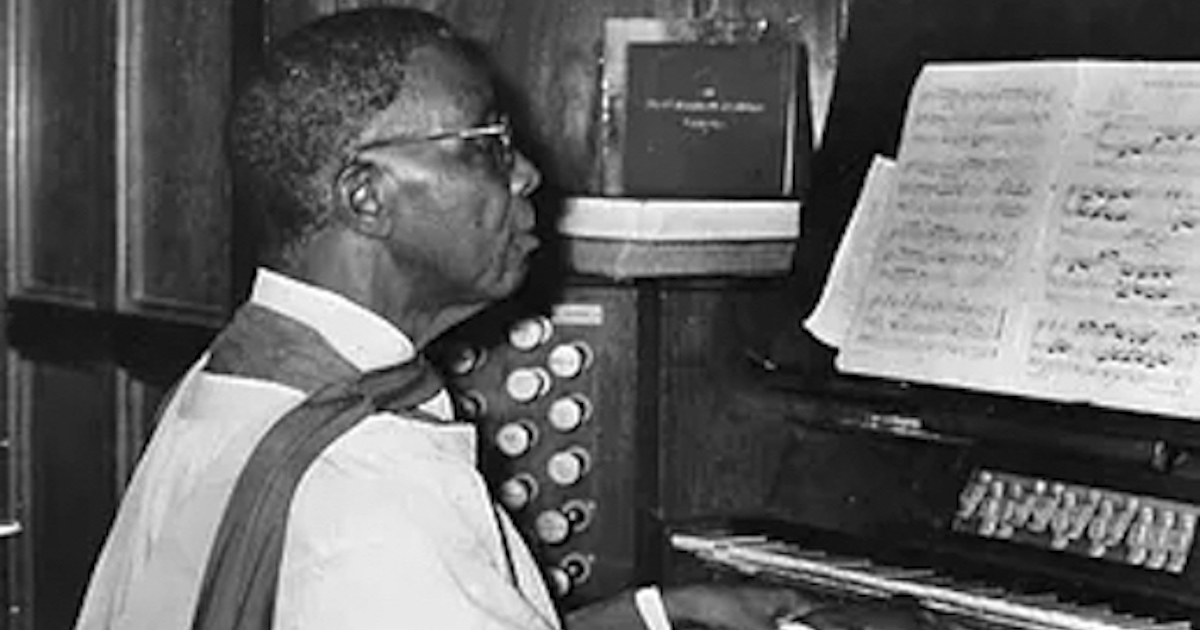
In 1926, Thomas King Ekundayo Phillips, regarded as the “father of Nigerian church music,” recognized the potential of indigenous melodies and arranged Ise Oluwa for SATB choir with organ accompaniment, thus introducing it to cathedral services. Phillips’s 1953 treatise, Yoruba Music, details his method of integrating traditional themes into Western harmonic frameworks, ensuring that the lullaby’s essence remained intact even as its performance context shifted. Subsequent publications and recordings (ranging from Heather Houston’s global chant workshops to online choir tutorials) demonstrate the song’s versatility across genres and geographies.
Sign up for the Connect Nigeria daily newsletter
Conclusion
Ise Oluwa’s journey from Yoruba nurseries to international stages underscores the profound interplay between informal folk practices and formal liturgical music in Nigeria. Its survival as both lullaby and hymn attests to the potency of oral tradition and the vision of early church musicians who honored indigenous art forms. Today, every rendition (whether whispered to a child or belted by a congregation) echoes a timeless message: the works of God endure.
Got a suggestion? Contact us: [email protected]