

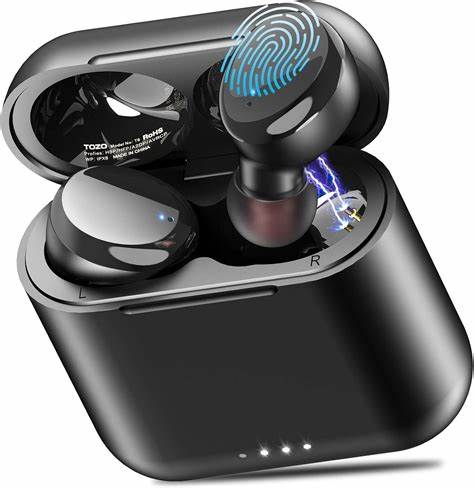
Nigeria’s technology landscape is rapidly evolving, with smartphone adoption projected to surpass 140 million users by 2025, representing a penetration rate of approximately 60%. This growth, coupled with increasing internet usage, has created a robust market for complementary devices like smart earbuds. These wireless audio devices, equipped with advanced features such as noise cancellation, voice assistants, and extended battery life, are gaining traction among Nigerian consumers. Their appeal lies in their ability to address local challenges like urban noise and unreliable power supply while enhancing the mobile experience for music, calls, and productivity. This article investigates the popularity of smart earbuds in Nigeria, exploring market trends, consumer preferences, and their impact on lifestyle and technology adoption.
Read more about Tech
The Growing Market for Smart Earbuds in Nigeria
The market for smart earbuds in Nigeria is expanding, driven by affordability and widespread availability. Online platforms like Jumia and Konga offer a range of smart earbuds, with prices starting as low as ₦14,000, making them accessible to students, young professionals, and small business owners. For instance, the VANIR Wireless In-ear Earbuds, priced at ₦14,460, feature advanced noise cancellation and 30 hours of battery life, while the Oraimo Freepods Lite, at ₦18,200, offer 40 hours of playtime and quick charging capabilities. Other models, such as the Infinix Buds Lite Xe23 (₦17,900) and JBL K15 (₦16,000), further illustrate the diversity of options available.
Although specific sales data for smart earbuds in Nigeria is limited, the presence of numerous brands and models suggests growing consumer demand. The projected rise in smartphone connections to 144 million by 2025 indicates a strong foundation for smart earbud adoption, as these devices are typically paired with smartphones for enhanced functionality. Social media platforms like X also reflect consumer interest, with users discussing models like the Remax CozyPods W30N, priced between ₦25,000 and ₦30,000, for their noise cancellation and touch screen features. This market presence and consumer engagement point to a rising popularity of smart earbuds in Nigeria.
Register to attend the Connect Nigeria Business Mixer
Key Features Driving Popularity
Smart earbuds are particularly appealing to Nigerian consumers due to features that address local needs and preferences. Active noise cancellation (ANC) is a standout feature, especially in urban centers like Lagos, where traffic and street noise are pervasive. The VANIR earbuds, for example, reduce background noise by up to 99.6%, providing a clear and immersive listening experience. Long battery life is another critical factor, given Nigeria’s frequent power outages. The Oraimo Freepods Lite, with 40 hours of playtime and 120 minutes of playback from a 10-minute charge, cater to users who need reliable devices without constant recharging.
Affordability is a significant driver, with many models priced under ₦20,000, making them accessible to a broad demographic. Integration with smartphones for music, calls, and voice assistants like Google Assistant or Siri enhances their utility, aligning with Nigeria’s growing smartphone usage. For instance, the Remax CozyPods W30N, priced at ₦25,000–₦30,000, offer ANC and a touch screen, providing good value for money. These features make smart earbuds practical and desirable for Nigerian consumers seeking convenience and quality.
Sign up for the Connect Nigeria daily newsletter
Impact on Consumer Behavior and Technology Trends
The adoption of smart earbuds in Nigeria reflects a broader shift towards wireless and smart technology, driven by a tech-savvy youth population. These devices enhance daily activities such as commuting, fitness, and remote work by offering hands-free access to music, podcasts, and calls. For example, commuters in Lagos can enjoy uninterrupted audio, while fitness enthusiasts benefit from secure fits and high-quality sound during workouts. This convenience aligns with Nigeria’s increasing internet usage, which reached 142.16 million users in January 2025, indicating a growing reliance on connected devices.
As Nigeria begins to adopt 5G technology, smart earbuds are poised to benefit from faster data speeds and lower latency, improving audio quality and connectivity. This aligns with the country’s digital transformation, as evidenced by the projected 65% smartphone penetration by 2026. Smart earbuds are thus not just audio accessories but part of a connected ecosystem that enhances productivity and leisure, reflecting Nigeria’s embrace of modern technology trends.
Sign up for the Connect Nigeria daily newsletter
Conclusion
Smart earbuds are gaining significant popularity in Nigeria, fueled by the country’s expanding smartphone market, increasing internet penetration, and the availability of affordable, feature-rich models. Features like noise cancellation, long battery life, and smartphone integration address local challenges and consumer needs, making these devices highly desirable. As Nigeria’s technology landscape evolves, particularly with the rollout of 5G, smart earbuds are likely to become even more integral to daily life, enhancing both work and leisure. Continued growth in smartphone adoption and technological advancements will further solidify their place in the Nigerian market.