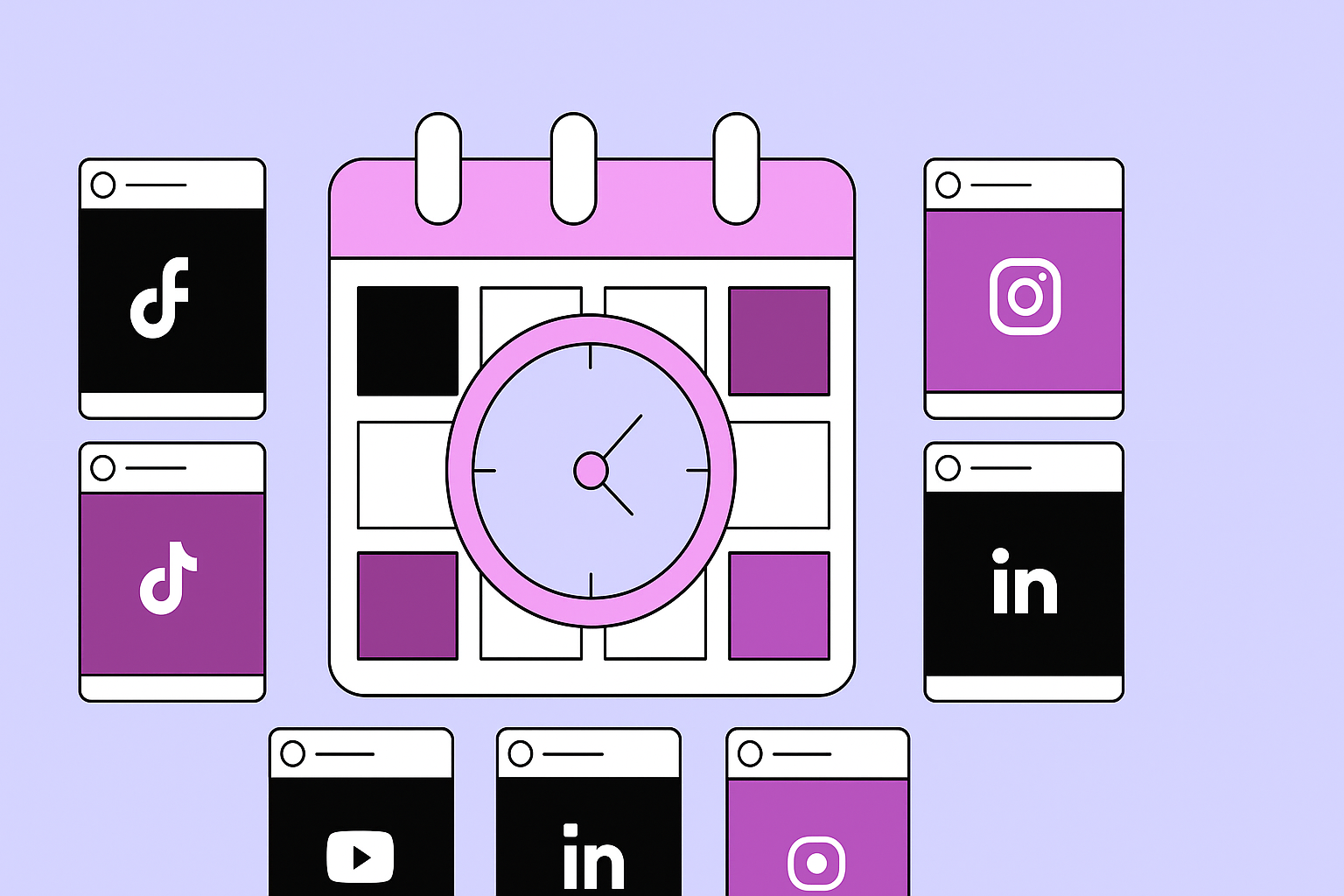
Managing social media for a business, personal brand, or content channel in Nigeria requires being active on multiple platforms. But posting in real-time across Instagram, Facebook, X (Twitter), LinkedIn, and TikTok can quickly become overwhelming. That’s where scheduling comes in. Scheduling posts ensures you stay consistent, post at optimal times, and maintain a steady brand presence without the daily scramble.
Read more about Social Media
This post outlines 10 best practices to help you schedule content efficiently across different platforms while preserving quality and engagement.
1. Know Your Audience on Each Platform
Different platforms attract different demographics. What works on TikTok may not perform well on LinkedIn. Before scheduling, understand who your audience is on each platform and tailor your content to fit. For instance, an educational post may thrive on LinkedIn, while the same content might need a lighter, more relatable tone on Instagram. Don’t blast the same message everywhere without tweaking it to fit the platform culture.
2. Plan Content Around a Monthly Calendar
A monthly content calendar gives you a bird’s-eye view of your posting schedule. It helps ensure a balanced mix of promotional content, educational posts, engagement prompts, and brand storytelling. By mapping out posts for the month, you avoid repetitive themes and ensure all your content pillars are covered. This also helps you align with important dates like holidays, awareness days, or product launches.
3. Use Reliable Scheduling Tools
Tools like Meta Business Suite, Buffer, Hootsuite, and Later allow you to schedule posts in advance for multiple platforms from one dashboard. They offer features like previewing posts for each platform and optimising timing. For Instagram and Facebook, Meta Business Suite is especially useful as it’s directly connected to the platforms and free to use. For broader scheduling that includes LinkedIn or X, tools like Buffer provide more flexibility.
4. Optimise Post Timing for Each Platform
The best time to post varies depending on your audience and platform. Instagram audiences might be most active in the evenings, while LinkedIn thrives during working hours. Use platform insights to determine when your followers are online and schedule posts accordingly. Posting when your audience is active increases the chances of higher engagement.
5. Maintain Consistency Without Overposting
Consistency is key, but flooding your feed can overwhelm your audience. Define how often you’ll post on each platform and stick to it. For example, you might post daily on X, thrice a week on Instagram, twice weekly on LinkedIn, and once or twice a day on TikTok. Balance frequency with quality to keep followers interested without burnout.
Sign up for the Connect Nigeria daily newsletter
6. Customise Content for Each Platform
Even when scheduling similar messages across platforms, customise the format. Use hashtags on Instagram and TikTok, but keep them minimal on LinkedIn. Adjust image dimensions so visuals look clean on every platform. Short-form videos might be perfect for TikTok and Reels, while a text carousel works better on LinkedIn. A one-size-fits-all approach limits performance across diverse platforms.
7. Review and Refresh Scheduled Content Regularly
Things can change quickly, especially in Nigeria’s fast-paced social space. Review your scheduled posts weekly to ensure they’re still relevant. If a national event or trending topic arises, you might need to adjust your content to stay appropriate and timely. Avoid setting and forgetting your schedules without checking back.
8. Include a Call to Action in Each Post
Every post should have a purpose, whether it’s driving traffic, generating comments, or encouraging shares. When scheduling, include clear calls to action that fit the platform. For instance, “Tag a friend who needs this” might work on Instagram, while “Share your thoughts in the comments” is more suitable for LinkedIn.
9. Monitor Performance and Adjust Strategy
Use analytics on each platform to track how your scheduled posts perform. Are certain days delivering better engagement? Do video posts outperform text? Use these insights to refine your future schedules. Tools like Later and Buffer also provide cross-platform analytics to help you compare performance easily.
10. Leave Room for Spontaneous Content
While scheduling saves time, don’t automate everything. Leave space for real-time posts, trending challenges, or quick responses to current events. This keeps your brand feeling fresh and in tune with what’s happening. A good rule is to have 70% of your content scheduled and 30% flexible for spontaneous opportunities.
Register to attend the CN Business Mixer
Conclusion
Scheduling social media posts across multiple platforms is a smart way to stay consistent and maintain a professional presence. By planning content, using the right tools, customising for each platform, and leaving room for real-time interaction, you ensure your brand remains active, engaging, and relevant. Consistency wins in the long run, but adaptability keeps your content strategy alive and connected.
Did you find this article useful? Contact us: [email protected]