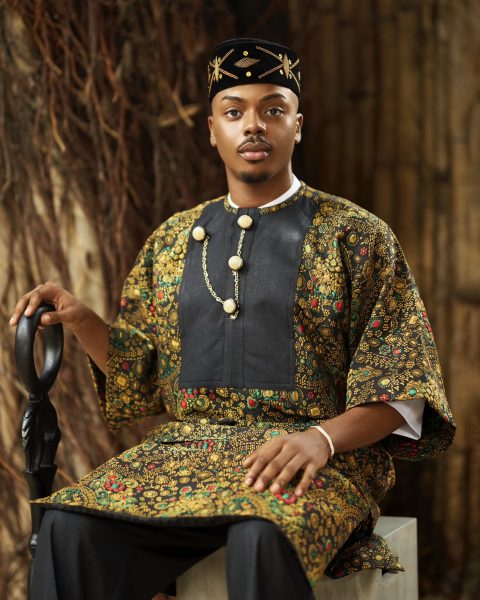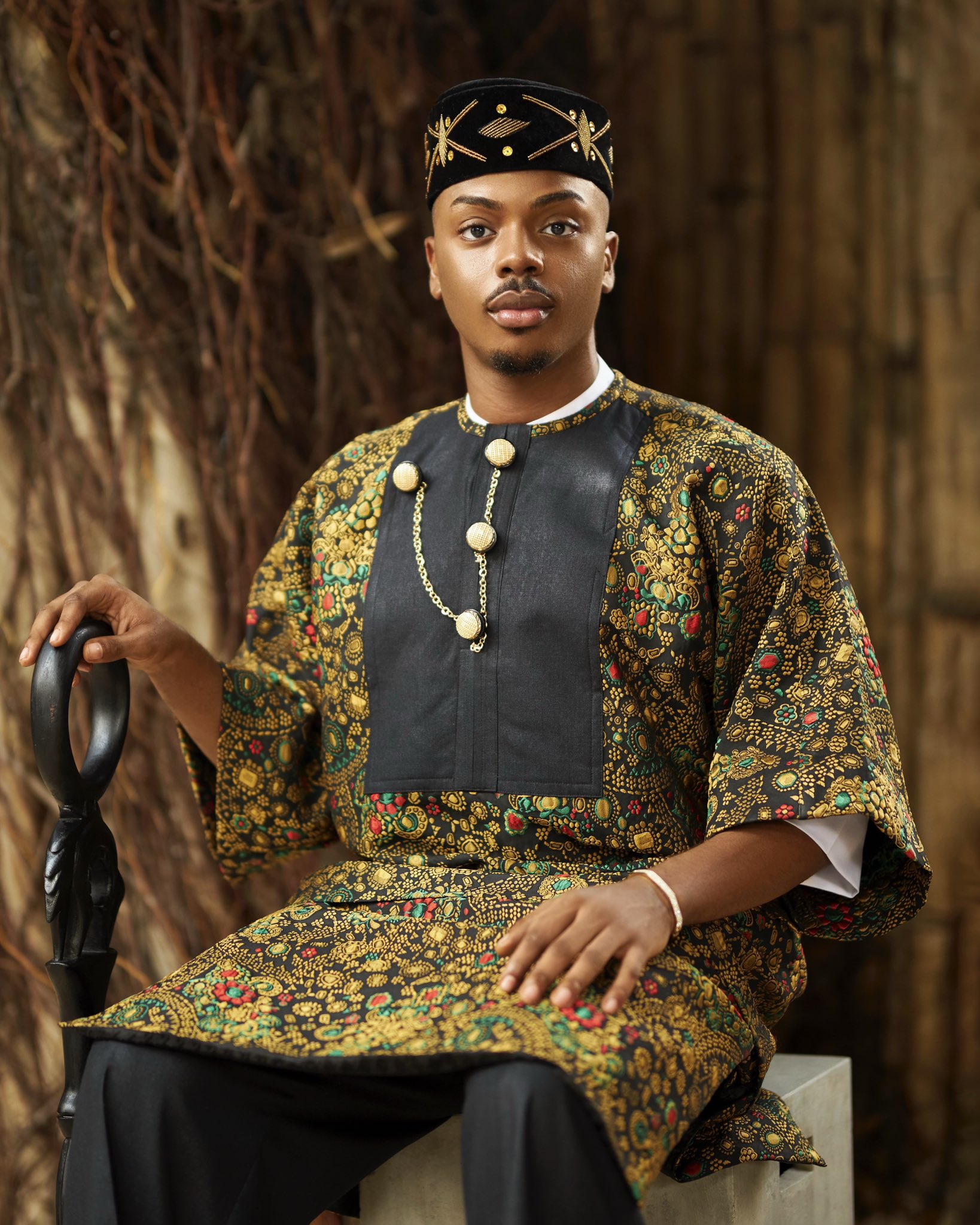
Fashion in Nigeria has always been bold, expressive, and rooted in culture. But today, social media is the new runway. Platforms like Instagram, TikTok, Twitter, and even Facebook are no longer just for updates; they’re driving what people wear, how they wear it, and who sets the pace. From Lagos to Aba, young Nigerians are drawing inspiration from online creators, viral challenges, and influencer styles. The result? Fashion trends are spreading faster, becoming more accessible, and shifting power away from traditional fashion gatekeepers.
Read more about Social Media
This post explores how social media is shaping the direction of Nigerian fashion in real time.
The Role of Social Media in Shaping Nigerian Fashion Trends
1. Everyday People Are the New Style Icons
Gone are the days when only celebrities or designers dictated what was in style. Now, regular users with a strong sense of fashion can influence thousands just by posting consistently. Stylists, content creators, and micro-influencers are showing how to rock thrift finds, style Ankara in five ways, or remix vintage pieces into everyday looks. Because they’re relatable and reachable, their impact travels fast. If someone with 5,000 followers posts a creative outfit, and it catches on, it could be next week’s trend.
2. Instagram and TikTok Are Visual Style Boards
Instagram feeds and TikTok videos now serve as daily lookbooks for Nigerian youth. Short videos showing “a week in outfits,” “how I styled my mum’s lace,” or “market haul transformations” are getting massive views. These platforms reward creativity and style over budget, which allows upcoming designers and fashion lovers to shine regardless of their resources. Filters, transitions, and trending sounds give these fashion videos a viral edge that makes them easy to share.
3. Hashtags and Challenges Keep Trends Alive
Hashtags like #MadeInNigeria, #StyleNaija, and #AnkaraFridays help to spotlight local designers and stylists. Fashion challenges such as “dress like your tribe” or “recreate this celebrity outfit” also drive discovery. As more people join in, it builds a community around Nigerian fashion and keeps certain looks alive for weeks. These challenges are low-cost and high-impact, giving both brands and individuals a way to participate without needing big marketing budgets.
4. Streetwear and Local Designers Are Getting More Visibility
Thanks to social media, streetwear labels and homegrown brands that once operated quietly are now being seen by wider audiences. Platforms help them skip the showroom and connect directly with buyers. When a popular creator wears your shirt or tags your bag, that one post can generate hundreds of inquiries. Some brands are building entire businesses around WhatsApp and Instagram DMs simply because their pieces went viral once.
Sign up for the Connect Nigeria daily newsletter
5. Digital Fashion Shows and Online Drops Are Setting the Pace
Physical fashion shows still matter, but digital events are creating more buzz. Online lookbooks, virtual launches, and behind-the-scenes reels help designers showcase their work to followers who may never attend a runway show. Nigerian fashion brands now drop collections through Instagram Lives or countdown posts, using storytelling and user engagement to make the experience feel exciting.
6. Fashion Education and DIY Culture Are Thriving
Content that teaches people how to sew, thrift, or style outfits is booming. Tutorials on how to cut aso-oke into a corset top, dye adire at home, or pair sneakers with agbada are turning social media into a fashion school. Many Nigerians are using this content to build personal brands, launch side hustles, or simply express themselves with confidence.
7. Twitter Threads and Opinion Posts Shape What’s Hot
Fashion debates on Twitter spark new trends and revive old ones. A single post about “why we need to bring back low-rise jeans” or “why men should wear more colours” can go viral, setting off a wave of similar content. Twitter gives fashion opinion leaders space to shape taste while still linking to visuals from other platforms.
Register to attend the CN Business Mixer
Conclusion
Social media is not just reflecting Nigerian fashion, it’s creating it. From the way we discover new designers to how we learn to style our clothes, platforms are changing the pace and power of the fashion industry. The next big trend may not come from a runway but from a viral video, a tweet, or a look posted by someone in your neighbourhood. If fashion is expression, then social media is its loudest megaphone.
Did you find this article useful? Contact us: [email protected]