

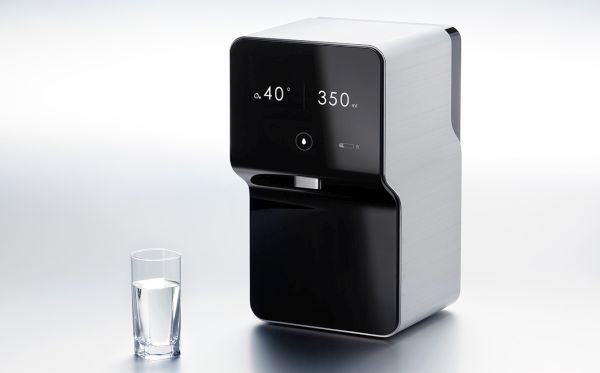
Nigeria, Africa’s most populous nation, grapples with a severe water quality crisis that undermines public health. In 2019, approximately 60 million Nigerians lacked access to basic drinking water, and 80 million had no improved sanitation facilities. Contaminated water sources, polluted by industrial waste, agricultural runoff, and domestic sewage, contribute to a high prevalence of waterborne diseases, particularly among children under five. Smart water purifiers, which integrate advanced filtration technologies with Internet of Things (IoT) connectivity, offer a promising solution by providing clean, safe drinking water at the point of use. This article examines the impact of smart water purifiers on health trends in Nigeria, focusing on the country’s water quality challenges, the features and benefits of these devices, and their potential to transform public health outcomes.
Read more about Tech
Water Quality and Health in Nigeria
Nigeria’s water quality is compromised by multiple pollution sources, including industrial waste, agricultural runoff, domestic sewage, and inadequate sanitation infrastructure. These contaminants lead to the spread of waterborne diseases such as cholera, typhoid, hepatitis, and diarrheal diseases, which are significant public health concerns. In 2021, Nigeria reported 111,062 suspected cholera cases, resulting in 3,604 deaths across 34 states. According to UNICEF, poor access to clean water and sanitation contributes to over 70,000 annual deaths of children under five due to diarrheal diseases. The lack of safe drinking water also exacerbates malnutrition and school absenteeism, as children often fall ill or spend time fetching water instead of attending classes. This situation underscores the urgent need for effective water purification solutions to address Nigeria’s public health challenges.
Register to attend the Connect Nigeria Business Mixer
Features and Benefits of Smart Water Purifiers
Smart water purifiers employ advanced technologies such as reverse osmosis (RO), ultraviolet (UV) disinfection, and ultrafiltration (UF) to remove bacteria, viruses, and chemical impurities from water. In Nigeria, brands like Livpure, Pure Aqua, and Aqua Filtration offer purifiers tailored to local needs, ranging from household to industrial applications. These devices incorporate smart features like real-time water quality monitoring, automatic filter replacement alerts, and energy-efficient designs. For instance, Livpure’s HR70 technology saves up to 20,000 liters of water annually, enhancing environmental sustainability. Some purifiers also add essential minerals like calcium and magnesium, improving water taste and health benefits. These features make smart water purifiers particularly valuable in Nigeria, where unreliable water supply infrastructure necessitates point-of-use solutions to ensure safe drinking water.
Sign up for the Connect Nigeria daily newsletter
Impact on Health Trends
The adoption of water purifiers, including smart models, has demonstrated significant potential to reduce waterborne diseases. A study in rural Ghana showed that high-volume membrane filtration devices reduced diarrhea cases from 0.18 to 0.05 cases per person-month. While specific data on smart water purifiers in Nigeria is scarce, the general benefits of water purification are evident. By removing pathogens and contaminants, these devices can decrease the incidence of diseases like cholera and typhoid, which are major health burdens in Nigeria. For example, reducing the 111,062 cholera cases reported in 2021 could significantly lower healthcare costs and improve quality of life. Moreover, access to clean water encourages better hygiene practices, such as handwashing, further reducing disease transmission. As smart water purifiers become more prevalent in Nigerian households, they are likely to contribute to a positive shift in health trends, with fewer water-related illnesses and improved overall well-being.
Got a suggestion? Contact us: [email protected]
Conclusion
Smart water purifiers represent a transformative solution to Nigeria’s water quality crisis, offering a reliable means to provide clean and safe drinking water. By addressing the root causes of waterborne diseases, these devices have the potential to reduce morbidity and mortality, particularly among vulnerable populations. The advanced features of smart purifiers, such as IoT connectivity and water-saving technologies, make them well-suited to Nigeria’s needs, despite challenges like affordability and awareness. To maximize their impact, stakeholders should invest in subsidies, public awareness campaigns, and infrastructure improvements to make these devices accessible to all Nigerians. As adoption grows, smart water purifiers could play a pivotal role in shaping a healthier future for Nigeria, aligning with global goals like the United Nations’ Sustainable Development Goal 6 for clean water and sanitation.