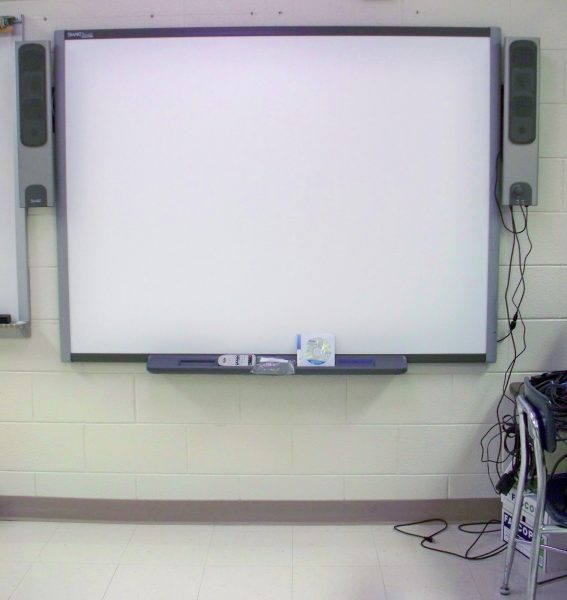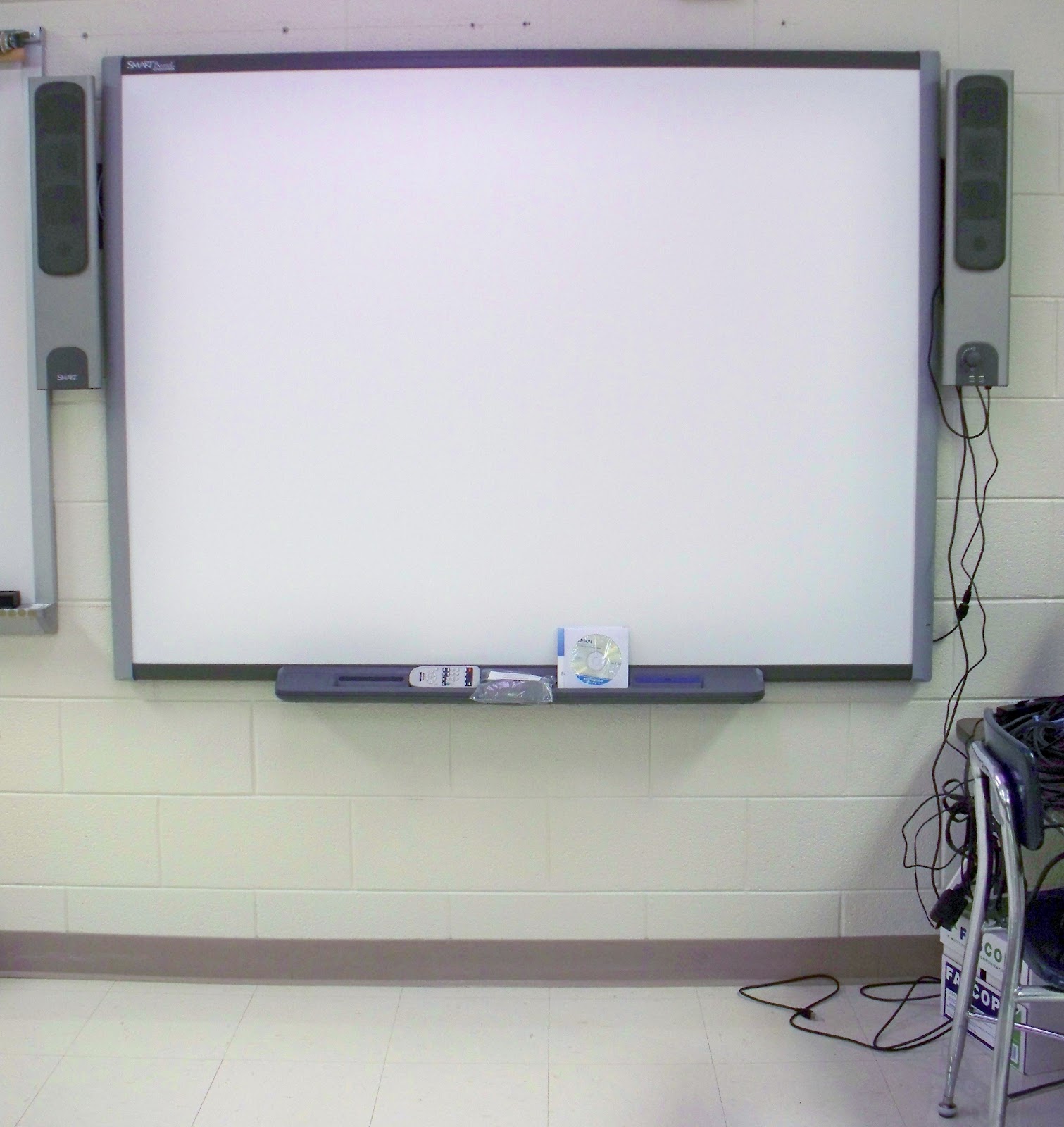
Smartboards, interactive digital displays that enhance teaching and learning, are gaining traction in educational settings worldwide. In Nigeria, where rural schools face challenges like limited resources and poor infrastructure, smartboards could bridge educational gaps. This article explores their potential in rural Nigerian schools through three subtopics: enhancing teaching and learning, overcoming infrastructural barriers, and fostering digital inclusion, drawing on current research and examples.
Read more about Tech
Enhancing Teaching and Learning
Smartboards transform traditional chalkboard methods by offering interactive, multimedia-rich lessons. In rural Nigerian schools, where teaching often relies on rote memorization, smartboards can engage students through visuals and interactive exercises. A 2024 study in the Journal of Educational Technology found that interactive whiteboards improved student comprehension by 25% in science subjects. For instance, the UNICEF-supported Nigeria Learning Passport, deployed in 780 rural schools by 2023, integrates smartboard-like technology via tablets and projectors, enabling dynamic lessons in Kaduna. This shift supports Nigeria’s National Policy on Education, which emphasizes innovative teaching tools to boost learning outcomes.
Register to attend the Connect Nigeria Business Mixer
Overcoming Infrastructural Barriers
Rural Nigeria struggles with unreliable electricity and internet, hindering smartboard adoption. However, emerging solutions show promise. Solar-powered smartboards, as piloted by SchoolNet India, could address power shortages, a model adaptable to Nigeria given its 43.5% broadband penetration and rural electrification challenges. A 2024 Businessday NG article highlighted a rural school in Ekiti using solar-powered devices for virtual classes, reducing dependency on the grid. While initial costs are high (approximately $1,000 per unit) long-term benefits include reduced travel for teacher training, aligning with Nigeria’s EduTech goals.
Sign up for the Connect Nigeria daily newsletter
Fostering Digital Inclusion
Smartboards can narrow the digital divide in rural Nigeria, where only 16.2% of the population uses social media, reflecting limited tech exposure. By introducing interactive technology, students gain digital literacy, a skill critical for the 21st-century workforce. The 3 Million Technical Talent (3MTT) Programme, launched in 2024, complements this by training rural educators in digital tools, with over 1.7 million applicants showing demand (Weforum.org). A practical example is the EkoExcel initiative in Lagos, which, while urban-focused, offers a scalable model for rural areas, training teachers to use smartboards effectively. This aligns with SDG 4, promoting equitable education.
Got a suggestion? Contact us: [email protected]
Conclusion
Smartboards hold transformative potential for rural Nigerian schools, enhancing learning, addressing infrastructure challenges, and promoting digital inclusion. While barriers like cost and connectivity persist, current initiatives and research suggest a viable path forward, promising a more equitable educational future.